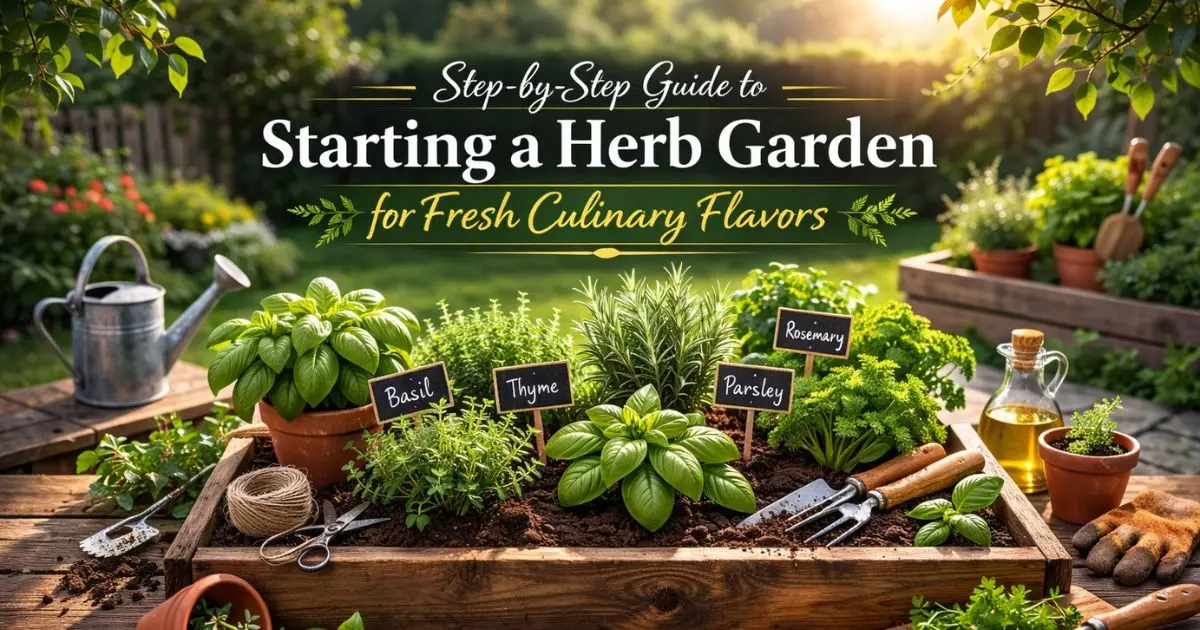
Starting your own herb garden is one of the best ways to bring fresh, vibrant flavors into your kitchen. Whether you’re a seasoned cook or just beginning, having fresh herbs on hand can make a world of difference in your cooking. This step-by-step guide to starting a herb garden for fresh culinary flavors will walk you through everything you need to know, from choosing herbs to caring for them, so you can enjoy homegrown, flavorful dishes all year long.
The Benefits of Fresh Culinary Flavors
Growing your own herbs offers numerous culinary benefits. Here’s why you should consider it:
- Enhanced Flavor: Fresh herbs add bold, natural flavors to any dish. Unlike dried herbs, they pack more aroma and taste.
- Cost-Effective: Growing herbs at home saves you money, especially when buying fresh herbs at the store can be expensive.
- Health Benefits: Many herbs, such as basil and mint, are packed with vitamins, antioxidants, and other nutrients, making them a healthy addition to any meal.
- Convenience: No more running to the store every time you need a small amount of fresh herbs—your herb garden will be right at your fingertips.
Choosing the Right Herbs for Your Garden
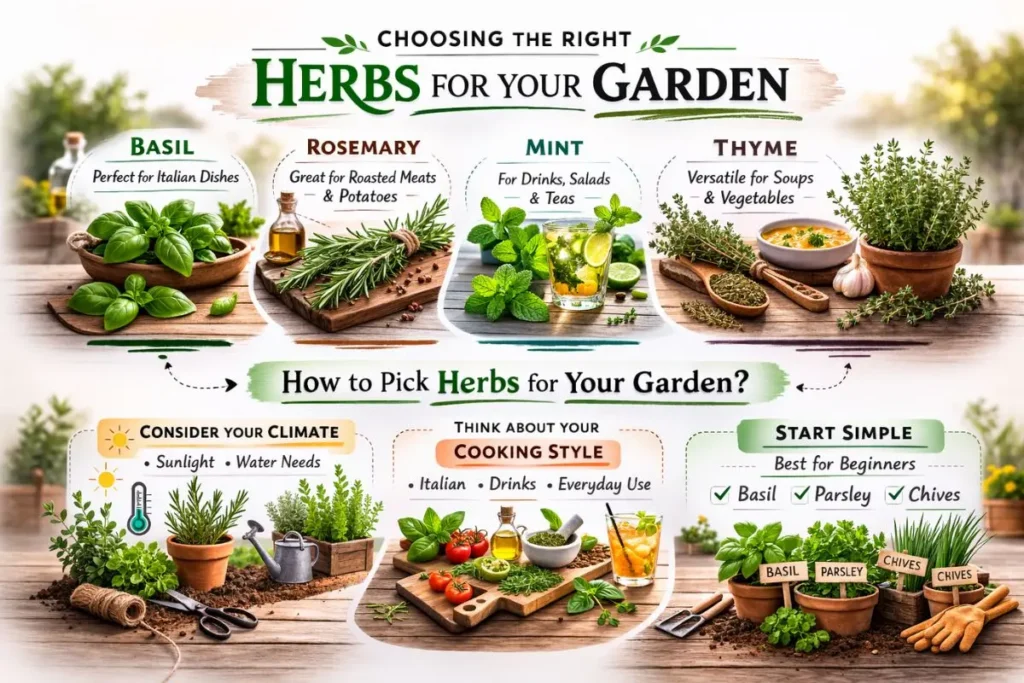
Not all herbs are created equal, so it’s important to choose the right ones for your garden. Some popular herbs for culinary use include:
- Basil: Perfect for Italian dishes like pasta and pizza.
- Rosemary: Adds a savory touch to roasted meats, potatoes, and bread.
- Mint: A refreshing herb for drinks, salads, desserts, and teas.
- Thyme: Versatile for meats, vegetables, and soups.
Here’s how to pick herbs for your garden:
- Consider your climate: Choose herbs that thrive in your local weather. For example, mint loves cool, moist environments, while rosemary prefers warm, sunny spots.
- Think about your cooking style: If you love Italian food, basil and oregano are great choices. For fresh drinks, mint will be perfect.
- Start simple: If you’re a beginner, choose easy-to-grow herbs like basil, parsley, and chives. These are hardy and versatile in many recipes.
Essential Tools for Starting Your Herb Garden
To get started, you’ll need some basic tools to set up your herb garden. Here’s a list of essentials:
- Pots or containers (if gardening indoors or in a small space)
- Good-quality soil or potting mix with proper drainage
- Watering can with a gentle spout to avoid overwatering
- Pruning shears for trimming and harvesting
- Fertilizer for healthy growth (organic options work best for edible herbs)
Having the right tools will ensure that your herbs grow strong and healthy from day one.
Where to Start Your Herb Garden
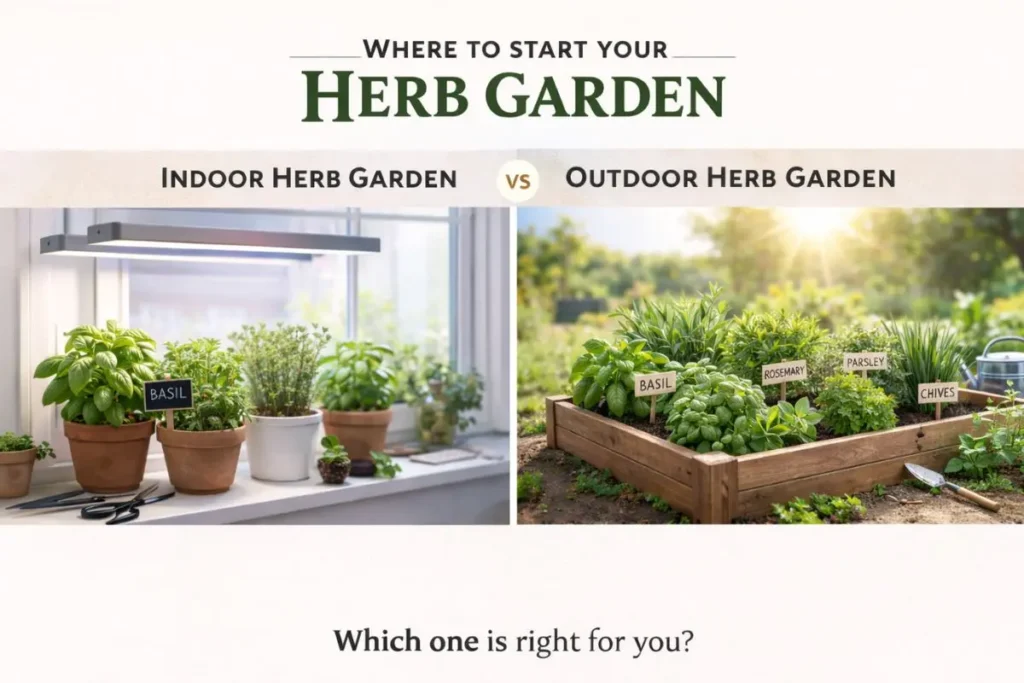
You can grow your herb garden indoors or outdoors, depending on your space and preferences. Here’s a quick comparison:
Indoor Herb Garden:
- Pros: Ideal for small spaces, year-round growth, easy access, and control over conditions.
- Cons: Limited sunlight, may require grow lights.
Outdoor Herb Garden:
- Pros: More space, natural sunlight, and better for larger gardens.
- Cons: Seasonal limitations and exposure to pests.
Which one is right for you?
- For beginners with limited space: An indoor garden is perfect.
- For those with more space and access to sunlight: Outdoor gardening allows herbs to thrive and expand more freely.
Preparing Your Soil for Healthy Herb Growth
Healthy soil is the foundation of any successful garden. Here’s how to prepare it for your herbs:
- Choose the right soil: Opt for a well-draining potting mix, especially for container gardens.
- Add compost: Organic compost will enrich the soil, helping your herbs thrive.
- Improve drainage: If your soil doesn’t drain well, mix in sand or perlite to keep it light and airy.
Healthy soil supports strong root development, which is key to healthy, flavorful herbs.
Planting Your Herbs
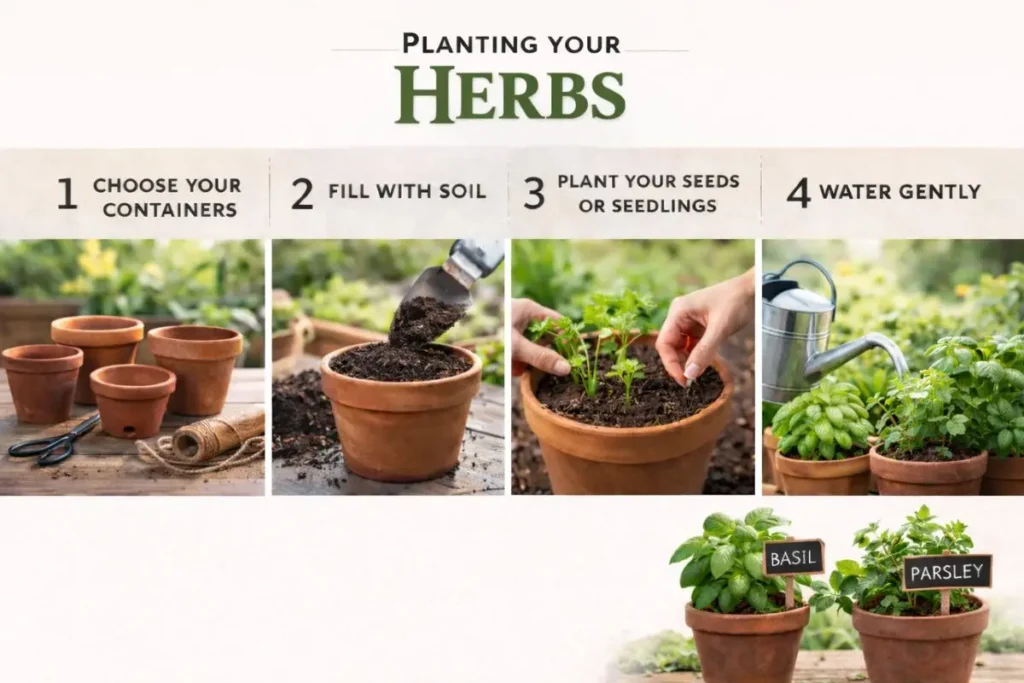
Planting herbs is easy once you have the basics down. Follow these simple steps:
- Choose your containers: Select pots with drainage holes to avoid waterlogging and root rot.
- Fill with soil: Add soil to your container, leaving about an inch from the top.
- Plant your seeds or seedlings: For seeds, plant them about ¼ inch deep. For seedlings, gently plant them and cover the roots with soil.
- Water gently: Water your herbs immediately after planting, but avoid soaking the soil.
For beginners, herbs like basil and parsley are great choices. They grow quickly and are versatile in many dishes.
Caring for Your Herb Garden
Once your herbs are planted, they need regular care. Here’s how to keep them healthy:
- Watering: Herbs generally need moderate watering. Keep the soil moist but not soggy.
- Pruning: Regularly trim leaves to encourage new growth and prevent overgrowth.
- Fertilizing: Use a balanced, organic fertilizer once a month to boost growth.
By giving your herbs proper care, you’ll ensure that they stay healthy and flavorful.
Harvesting Your Herbs for Maximum Flavor
To enjoy the best flavor, it’s important to harvest your herbs at the right time. Here’s how to do it:
- Pick herbs in the morning: Herbs tend to have the most flavor and essential oils early in the day.
- Cut the leaves carefully: Use clean scissors or pruning shears to avoid damaging the plant.
- Don’t over-harvest: Always leave at least one-third of the plant intact for future growth.
Herbs like rosemary and thyme can be harvested year-round, while others like basil are best picked before they flower.
Common Mistakes When Starting a Herb Garden
Even experienced gardeners make mistakes. Here are a few to avoid:
- Overwatering: This is a common mistake, especially with herbs like basil. Herbs prefer moist, not soaking, soil.
- Too much sun: While most herbs need sunlight, some may get scorched if exposed to too much direct heat.
- Planting in poor soil: Herbs thrive in well-drained, nutrient-rich soil. Avoid using heavy clay-based soil.
By avoiding these common mistakes, you’ll set your herb garden up for success.
Incorporating Fresh Herbs into Your Cooking
Now that you’ve grown your fresh herbs, it’s time to use them in your dishes! Here are a few ideas:
- Herb-infused oil: Combine olive oil with herbs like rosemary or thyme for a savory topping.
- Herb butter: Mix softened butter with minced herbs and use it for bread, steak, or roasted vegetables.
- Salads and garnishes: Fresh herbs like basil or mint can add a refreshing twist to salads and garnishes.
Adding fresh herbs into your cooking brings out vibrant, natural flavors that can elevate everyday meals.
How to Deal with Common Herb Garden Problems
Every gardener faces challenges. Here are solutions for some common problems:
- Yellowing leaves: This can indicate overwatering or poor drainage. Let the soil dry out before watering again.
- Wilting: If your herbs are wilting, they might need more water or sunlight.
- Pests: Use natural remedies like neem oil to protect your herbs from pests without harming the plant.
Addressing issues early on will keep your herb garden thriving