Here’s something incredibly fulfilling about seeing your indoor plants bloom. The rich colors, pleasant fragrances, and the satisfaction of nurturing them to full bloom can bring new life to your home. However, getting houseplants to bloom indoors can feel tricky at times—many factors influence whether your plants will flower. But don’t worry, with the right care and understanding of what your plants need, you can encourage healthy blooms year-round.
In this guide, we’ll dive into everything from the best plants for indoor blooms to the perfect lighting, watering schedule, and pruning techniques. Let’s make sure your indoor garden thrives and flourishes with blooms!
Why You Should Care About Indoor Blooms
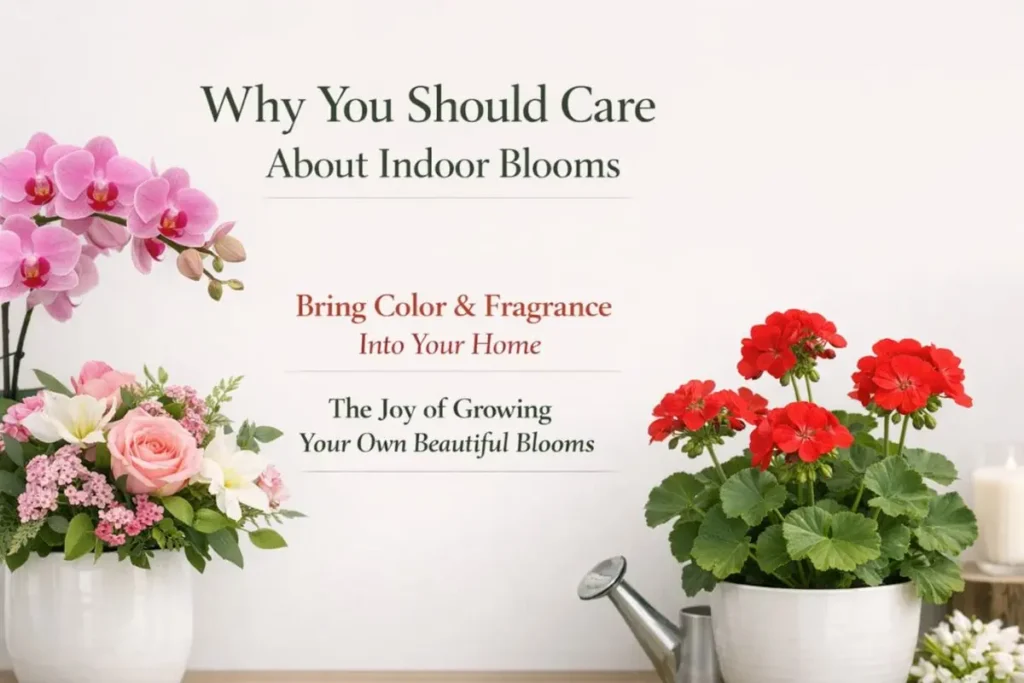
Blooming houseplants are more than just a decorative feature; they bring vibrancy, charm, and a sense of accomplishment to your space. Imagine walking into a room filled with the delicate fragrance of fresh flowers or seeing the brilliant colors of an orchid or geranium in full bloom. Whether you’re using them in bouquets, as decoration, or just to brighten your living space, blooming plants are well worth the effort.
And let’s face it, growing your own beautiful blooms indoors is immensely satisfying. So, why not take it up a notch and cultivate plants that fill your home with blossoms?
Selecting the Best Indoor Plants for Gorgeous Blooms
Not all houseplants are created equal when it comes to flowering indoors. While many plants are happy to live in your home, only certain types will reward you with stunning blooms. Here’s how to choose the right ones.
Flowering Plants to Grow Indoors
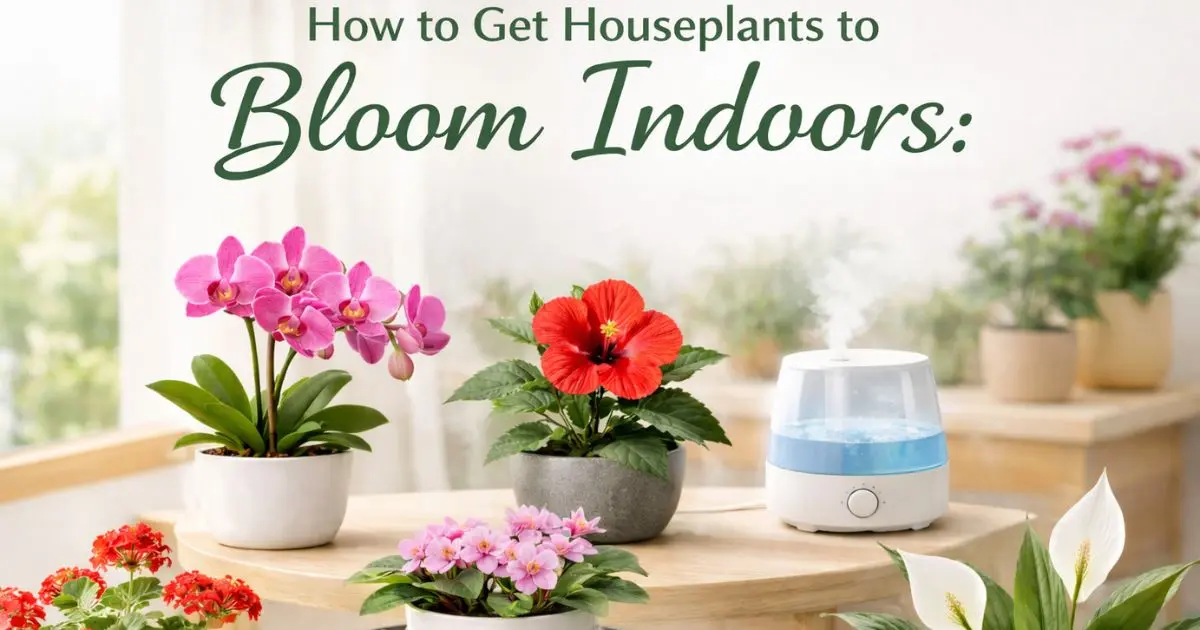
- Orchids: These elegant beauties can be tricky, but their exotic blooms are well worth the effort.
- Geraniums: With their bright, cheerful flowers, geraniums make fantastic indoor plants.
- African Violets: These small, colorful plants are perfect for windowsills and indoor spaces.
- Peace Lilies: Known for their graceful white blooms, peace lilies can tolerate lower light levels, making them great for shaded areas.
- Begonias: These plants come in many varieties and bloom brightly with minimal care.
Pro Tip:
When choosing plants, pick those that thrive indoors in your climate. For example, tropical plants often do well in warmer homes, while cooler-climate flowers may require more care to adjust to indoor conditions.
Creating the Perfect Environment for Indoor Blooms
For your houseplants to thrive and bloom, you need to ensure that they have the right environmental conditions. Temperature, humidity, and light all play crucial roles in flower production.
Temperature Needs for Flowering Plants
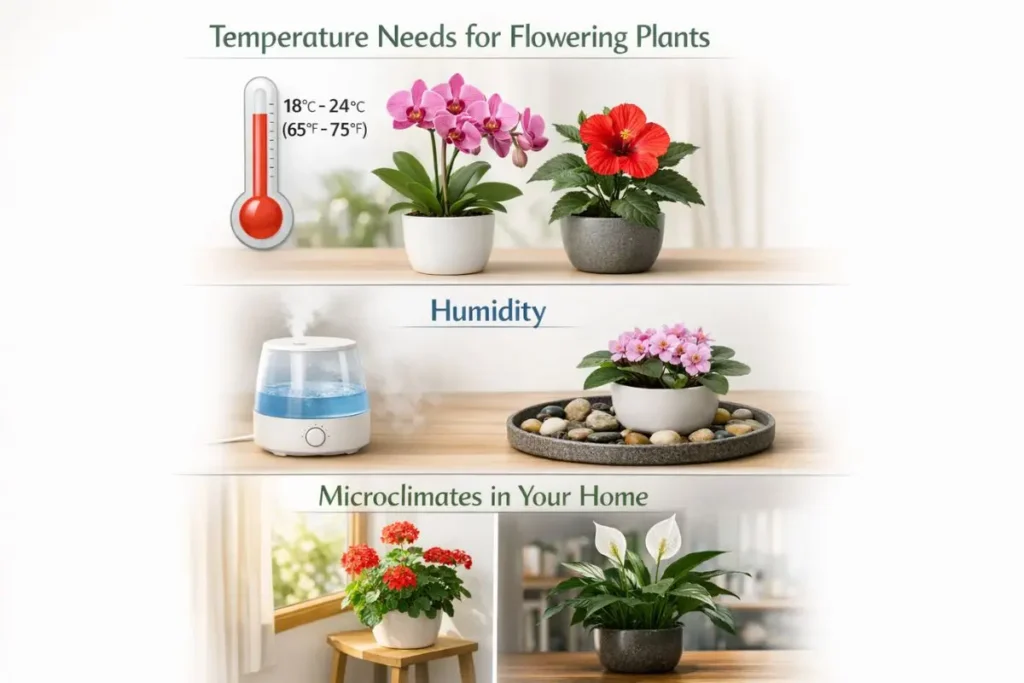
Most flowering houseplants prefer moderate temperatures, ideally between 18°C and 24°C (65°F and 75°F). Keep your plants away from hot or cold drafts—near heating vents, air conditioners, or windows with extreme temperatures can hinder blooming.
Humidity:
Many flowering plants, especially tropical varieties, thrive in high humidity. If you notice that your plants are struggling to bloom, consider increasing the humidity around them. You can do this by:
- Using a humidifier: Especially in winter, when indoor air is dry.
- Placing a pebble tray: Fill a shallow tray with pebbles and water to increase the moisture around your plants.
Microclimates in Your Home
Plants respond to the unique conditions in your home. A warm, sunny corner will work well for sun-loving plants like geraniums, while cooler, shaded spots are ideal for peace lilies or begonias. Identify where the light is most favorable in your home and place your plants accordingly.
The Right Soil for Happy, Blooming Plants
The soil your plant sits in is just as important as the care you give it. It’s the foundation for a healthy bloom cycle.
The Ideal Soil Mix
Indoor flowering plants prefer well-draining, light soil. A standard potting mix works for many plants, but you can enhance it with added perlite or sand to improve drainage, especially for plants like orchids and begonias that dislike soggy roots.
pH Level for Healthy Blooms
Houseplants generally thrive in slightly acidic to neutral soil, with a pH of 6.0 to 7.0. If the soil is too acidic or too alkaline, your plant may struggle to take up the nutrients it needs to produce flowers.
Potting and Re-potting Tips
If your plant’s roots become overcrowded, it can stunt growth and prevent blooming. Re-pot your plants when they outgrow their pots—this will give the roots room to expand and stimulate new growth, leading to more flowers.
Light: A Key Ingredient for Indoor Blooms
Plants need light to make food through photosynthesis, and they need the right type and amount to produce flowers.
Light Requirements for Flowering Plants
While most indoor plants need bright, indirect light, some, like orchids, may require more direct sunlight. Placing your plants near windows that receive plenty of light is ideal, but be cautious of intense, direct sunlight, as it can scorch their leaves.
Maximizing Light Indoors
- South and west-facing windows are typically the best for most indoor plants.
- During winter, light can be scarce, so move your plants closer to windows or use grow lights to supplement natural light.
Watering and Feeding:
Water and nutrients are the building blocks of a plant’s growth and ability to bloom. Here’s how to get it right.
Watering: Don’t Overdo It
Many indoor plants, especially those that bloom, are sensitive to overwatering. Here’s how to avoid this:
- Water only when the soil feels dry to the touch—check the top 1-2 inches.
- Ensure good drainage in your pots so excess water can escape.
- Use lukewarm water to avoid shocking the roots.
Fertilizing for Blooms
Feeding your plants gives them the energy they need to produce beautiful flowers.
- Use a balanced fertilizer (10-10-10) during the growing season (spring and summer). Feed your plants every 4-6 weeks.
- Avoid over-fertilizing—too much fertilizer can encourage excessive leaf growth at the expense of flowers.
The Power of Pruning:
Pruning isn’t just about tidying up your plants; it’s about helping them bloom better and healthier.
Pruning for Blooms
- Deadheading: Remove spent flowers regularly. This encourages the plant to redirect energy into new blooms.
- Shaping: Trim leggy or overgrown stems to promote fuller growth and more flowers.
- Avoid Over-Pruning: Never cut away too much foliage, as leaves are essential for photosynthesis.
Caring for Your Blooms Through the Seasons
Your indoor plants will have different needs throughout the year. Understanding their seasonal care requirements will help them bloom consistently.
Spring & Summer Care:
- More sunlight: Increase exposure to light as the days get longer.
- Increased watering and feeding: Fertilize regularly to encourage flowers.
- Pinch back or prune plants to maintain their shape and encourage branching.
Fall & Winter Care:
- Reduce watering and fertilizing: Most plants enter dormancy during this time and require less care.
- Move plants away from cold drafts: Keep plants warm and sheltered from frost.
Common Mistakes and Myths
- Underestimating Light Needs: Without proper light, your plants won’t bloom.
- Watering Too Frequently: Overwatering can drown your plants and stop them from flowering.
- Not Pruning Regularly: Dead flowers and leggy growth can prevent new blooms.
Myth Busters:
- Myth: “Houseplants only bloom in spring.” Many indoor plants can bloom year-round if cared for properly.
- Myth: “You need to repot every year for blooms.” Some plants thrive in the same pot for years, as long as the soil is replenished.
Pests and Diseases:
If pests or diseases attack your indoor plants, it can harm their ability to flower. Here are some common issues and solutions:
- Aphids Tiny pests that suck plant juices. Use insecticidal soap or neem oil.
- Mealybugs: These pests create cotton-like masses. Isolate infected plants and treat with alcohol.
- Root Rot: Caused by overwatering. Ensure your pots have good drainage and don’t let your plants sit in water.
FAQS
How can I get my indoor plants to bloom more often?
Make sure they’re getting enough light, water, and nutrients. Pruning dead flowers and providing occasional fertilizer boosts their blooming potential.
Why isn’t my indoor plant blooming?
It might be due to insufficient light, overwatering, or poor soil conditions. Check each aspect and adjust accordingly.
Can I grow flowering plants in low light conditions?
Some plants, like peace lilies and begonias, do well in low light, but most flowering plants require bright, indirect light to bloom.