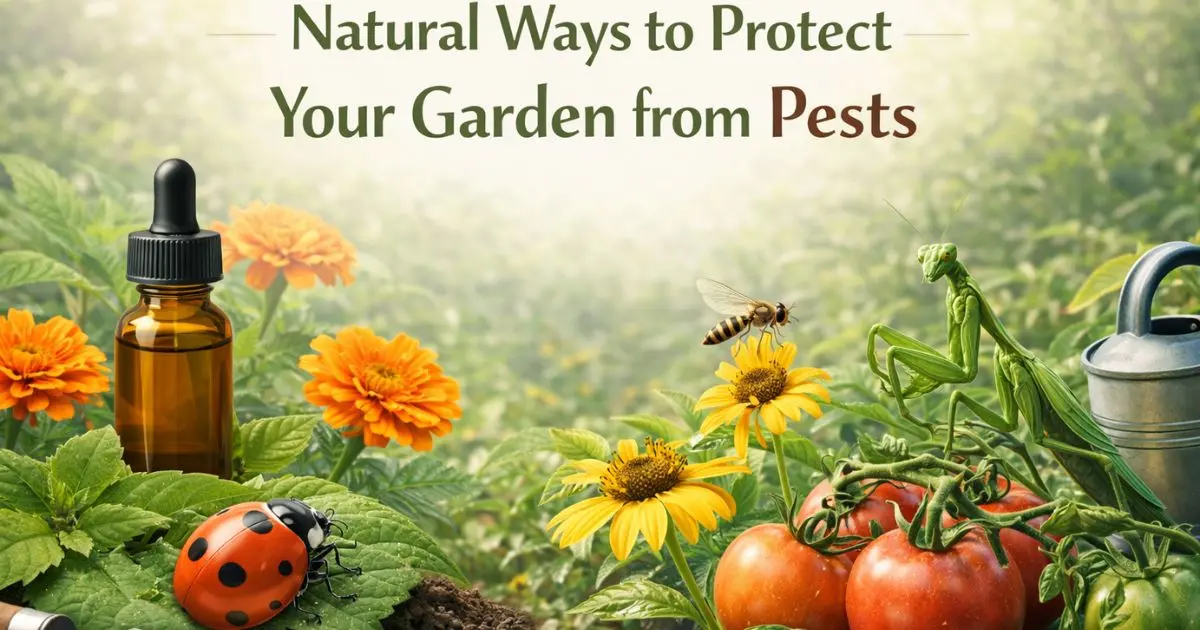
Gardening is a rewarding journey that brings joy and relaxation, but pests can often turn this paradise into a battlefield. While insects, rodents, and fungi can be a challenge, there are plenty of natural, eco-friendly ways to keep them at bay. By choosing organic methods, you can protect your plants, maintain a healthy ecosystem, and avoid the harsh chemicals found in conventional pesticides. In this guide, we’ll explore tried-and-tested ways to shield your garden from pests while nurturing it naturally.
Why Pests Love Your Garden
Garden pests are attracted to your plants for food, shelter, and moisture. Your lush, green space offers them a perfect haven to thrive. However, a well-maintained garden that addresses its plants’ needs can easily deter unwanted pests and diseases. The more you learn about your garden’s specific requirements, the better you’ll be at preventing pest problems.
Recognizing Common Garden Pests
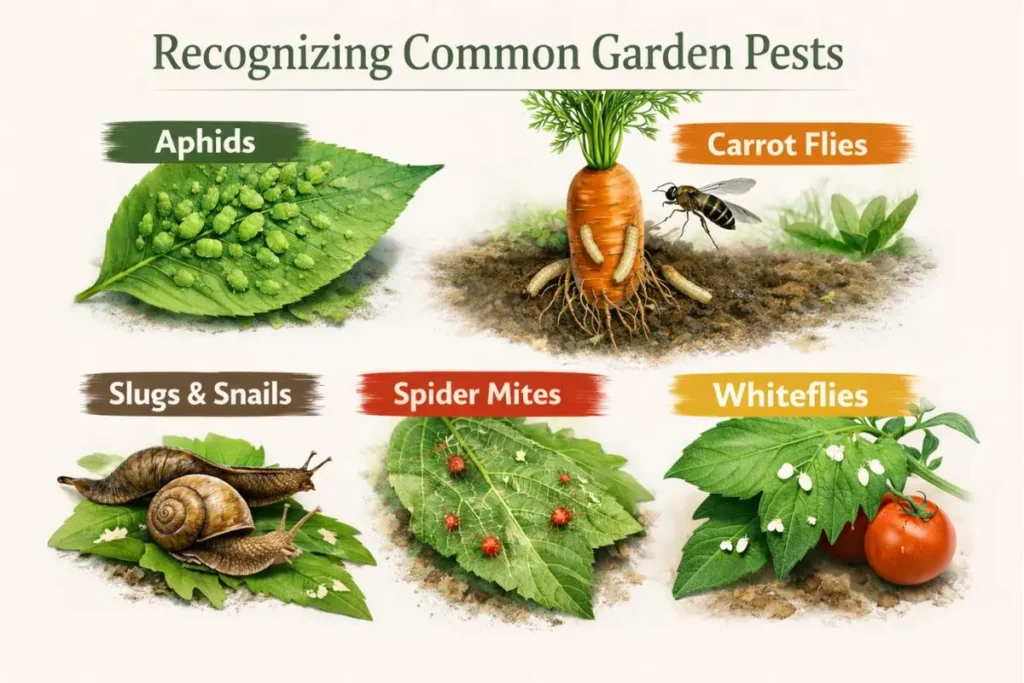
Understanding which pests you’re dealing with is the first step toward effective pest control. Here’s a look at some common garden invaders:
Aphids
These tiny insects love to feed on the sap of your plants, leading to curled, yellowing leaves. They multiply quickly and can even transmit plant diseases, so spotting them early is essential.
Carrot Flies
If you’re growing root vegetables, particularly carrots, keep an eye out for carrot flies. These pests lay their eggs near the roots, and their larvae can cause significant damage by feeding on the root system.
Slugs and Snails
These slow-moving pests chew through plant leaves and can decimate tender seedlings. They thrive in moist, shady areas and are most active at night.
Spider Mites
Though tiny, these pests can wreak havoc by piercing the leaves and sucking out plant juices, causing the leaves to turn yellow and wilt.
Whiteflies
Whiteflies are another sap-sucking pest that tends to congregate on the undersides of leaves. They are particularly troublesome on tomatoes and can significantly reduce plant vitality.
Now that you know what to look for, let’s dive into natural methods to protect your plants.
Beneficial Insects
Instead of using chemicals, why not let nature’s own pest control take charge? Beneficial insects are an excellent way to naturally keep your garden free from harmful pests. Here’s how you can attract them:
- Ladybugs: They love munching on aphids and mealybugs, making them a gardener’s best friend.
- Lacewings: Lacewing larvae consume aphids, caterpillars, and other pests, keeping your plants safe.
- Predatory Beetles: These beetles feast on insect larvae, including pests like root weevils, making them a natural pest-busting ally.
Pro Tip:
Planting a diverse range of nectar-rich flowers like dill, lavender, and marigolds will attract these natural pest controllers to your garden.
The Power of Neem Oil
When pests attack, neem oil is a gardener’s secret weapon. This all-natural, plant-based oil is an effective pesticide that works against aphids, whiteflies, and many other garden pests.
How to Use It:
Dilute neem oil with water as per the instructions on the bottle. Spray the solution on your plants, especially the undersides of leaves, where pests tend to hide. It’s safe for your plants and beneficial insects when used correctly.
Garlic & Pepper Spray:
For a simple and effective homemade pesticide, try combining garlic and hot pepper. This combination creates a potent spray that repels pests, from aphids to caterpillars, without harming your plants.
How to Make It:
Blend garlic cloves with hot peppers and a bit of water. Strain the mixture and transfer it into a spray bottle. Apply it to your plants once a week for a natural pest repellent.
Diatomaceous Earth:
Diatomaceous earth (DE) is a fine, powdery substance made from the fossilized remains of tiny aquatic organisms. It works by physically damaging the exoskeletons of pests like slugs, snails, and aphids, ultimately causing them to dehydrate and die.
How to Use It:
Lightly dust your plants and soil with DE. Apply it around the base of your plants, especially in the areas where pests are active.
Insecticidal Soap:
Insecticidal soap is a non-toxic solution that targets soft-bodied insects like aphids, whiteflies, and mealybugs. It works by breaking down the pests’ cell membranes, causing them to dehydrate and die.
How to Use It:
You can buy ready-made insecticidal soap or create your own by mixing mild liquid soap with water. Spray it directly on the affected areas of your plants.
Companion Planting:
Companion planting is a time-tested method where certain plants are grown together to enhance growth and naturally ward off pests. For instance, planting marigolds next to your vegetables can help keep aphids and nematodes away, while basil helps protect tomatoes from hornworms.
Pro Tip:
- Nasturtiums: These beautiful flowers attract aphids away from your veggies.
- Garlic and Onions: Their strong smell repels aphids, caterpillars, and other pests.
Mulching: A Barrier Against Pests
Mulch is your garden’s best friend when it comes to protecting plants from pests and disease. By covering the soil with a thick layer of organic mulch, you create a physical barrier that discourages pests like slugs and snails from reaching your plants.
How to Use It:
Apply mulch around the base of your plants, ensuring it’s about 3 inches deep. Keep replenishing the mulch as it decomposes to maintain its effectiveness.
Hand-Picking Pests:
Sometimes, the simplest solution is the best one. Hand-picking pests off your plants may seem tedious, but it’s often the most effective method. Whether it’s caterpillars, aphids, or beetles, manually removing pests can significantly reduce their numbers.
Tip:
Do this early in the morning or late in the evening when pests are less active.
Creating Physical Barriers
If you’re dealing with flying pests or animals like birds, you might consider creating physical barriers. Using fine mesh or row covers is a great way to protect vulnerable plants from these pests without resorting to chemicals.
Pro Tip:
Ensure the mesh is tightly secured to prevent any pests from sneaking under.
Maintaining Healthy Soil
Healthy plants are more resilient against pests, so focus on maintaining good soil health. Healthy soil supports strong root systems and enhances plant growth, making them less susceptible to pest invasions.
How to Improve Soil:
Use organic compost, improve drainage, and avoid overwatering. This will help prevent the conditions that pests love.
Seasonal Pest Protection
Each season comes with its own set of challenges. In winter, pests may hide in soil or under leaves, while in summer, pests like aphids can thrive. Here are a few tips to protect your garden throughout the seasons:
- Spring: Start with early pest inspections and apply organic treatments as needed.
- Summer: Be vigilant about watering and check regularly for pests.
- Winter: Clear fallen leaves and debris where pests like to hide, and use row covers to protect vulnerable plants.
Common Gardening Mistakes and Myths
Even the most seasoned gardeners can make mistakes when it comes to pest control. Here are a few myths and misconceptions to watch out for:
Myth 1: “Organic Pesticides Are Always Safe”
While organic pesticides are less toxic, they can still harm beneficial insects like bees and ladybugs if not used correctly. Always apply pesticides in moderation and during times when beneficial insects aren’t active.
Myth 2: “More is Better”
It’s tempting to over-fertilize, thinking your plants will thrive. However, over-fertilization can make plants more susceptible to pests and diseases. Stick to the recommended dosage for fertilizers.
Keep Your Garden Thriving Naturally
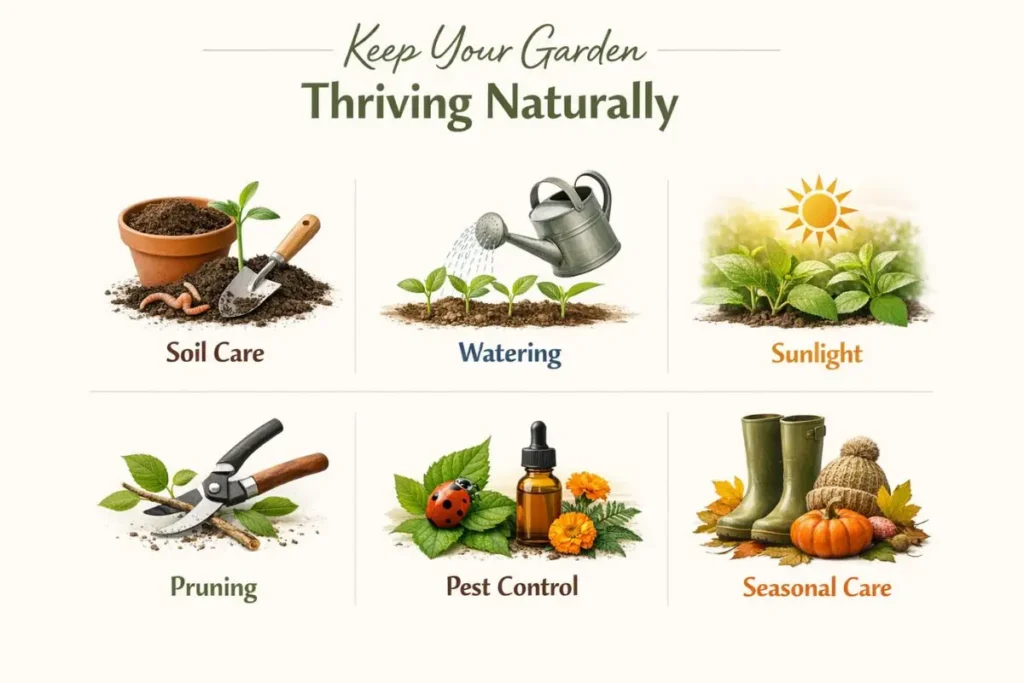
By using these natural methods to protect your garden, you’re not only keeping pests at bay but also supporting the health of the entire ecosystem. Remember to regularly monitor your plants, apply remedies as needed, and always focus on building strong, healthy plants. Here’s a quick-reference checklist to keep in mind:
- Soil Care: Keep soil healthy and well-drained.
- Watering: Follow stage-wise watering schedules.
- Sunlight: Ensure your plants get the right amount of light.
- Pruning: Regularly prune to promote growth and remove dead foliage.
- Pest Control: Use natural pest control methods like beneficial insects, neem oil, and companion planting.
- Seasonal Care: Adjust care routines based on the season.