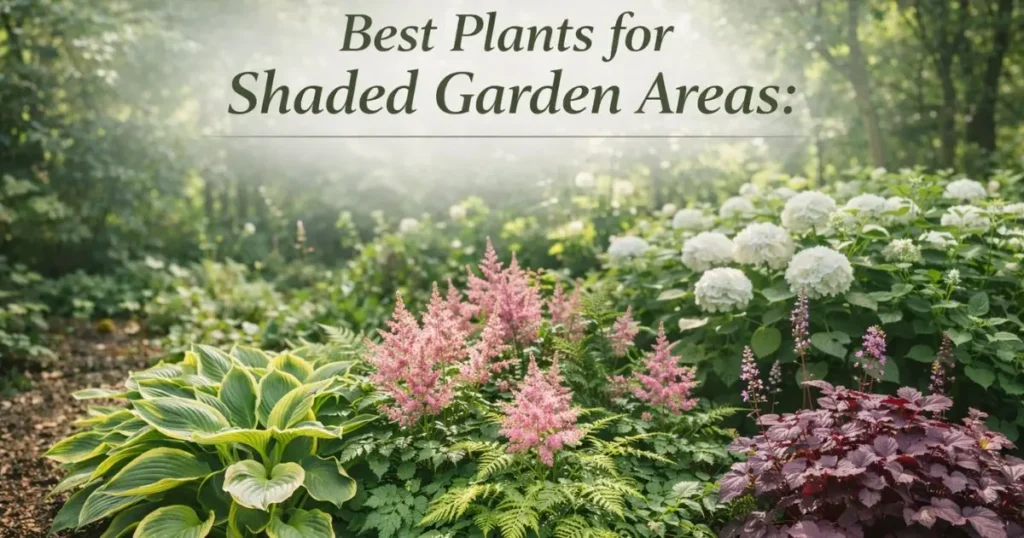
Creating a beautiful, thriving garden in a shaded area might seem challenging, but with the right plants and a bit of knowledge, you can transform these areas into lush, vibrant spaces. Many plants are perfectly suited to low-light conditions and can add color, texture, and life to even the darkest corners of your garden. This guide provides expert advice on selecting, planting, and caring for the best plants for shaded areas, ensuring your garden flourishes in all types of shade.
Climate & Growing Conditions:
Understanding the light conditions of your shaded area is crucial to selecting the right plants. Different types of shade require different plant care:
Types of Shade:
- Deep Shade: Areas that receive little to no direct sunlight, often found under dense trees or buildings. These spots tend to be cool and moist.
- Part Shade: Areas that receive some indirect light but never full sun. Common under the edges of trees or near buildings.
- Dappled Shade: Light filtered through branches or structures, providing intermittent sunlight.
Best Plants for Shaded Areas:
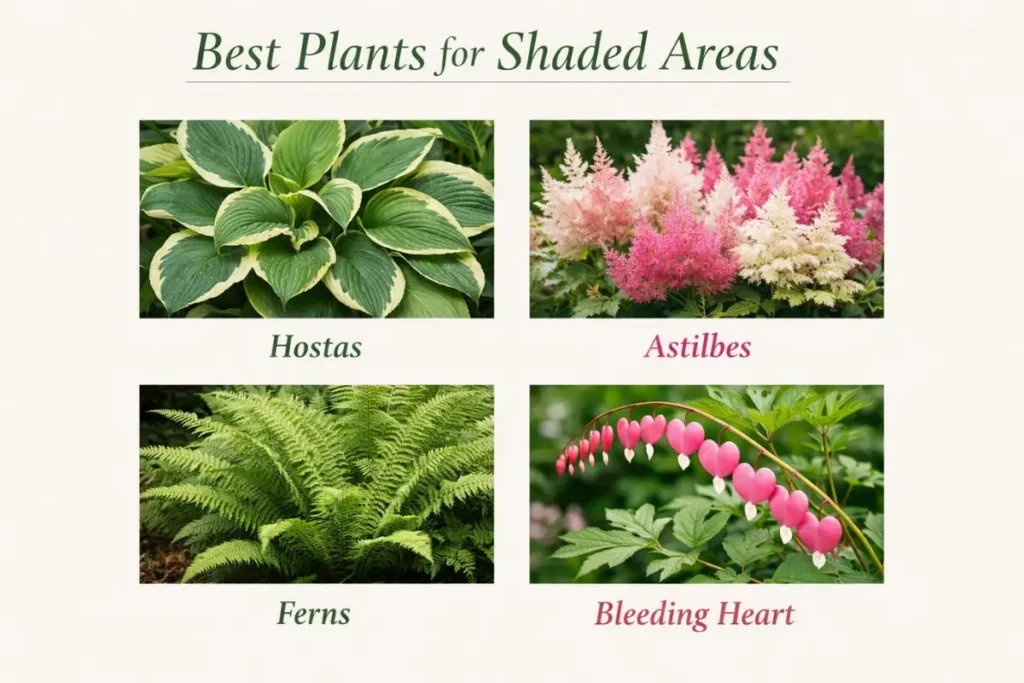
Here are some of the best plants that thrive in shaded spots, along with practical planting tips.
1. Hostas:
Why They’re Great: Hostas are the go-to plants for shaded gardens. Their large, lush leaves come in various colors, from deep greens to creamy whites. While they also produce flowers, the foliage is the main attraction.
Planting Tips:
- Ideal for deep shade and moist, well-drained soil.
- Space them about 12-24 inches apart to allow room for growth.
2. Astilbes:
Why They’re Great: Astilbes are perfect for adding color and texture to shady gardens. They bloom in late spring to early summer, with feathery flowers in shades of pink, red, white, or purple.
Planting Tips:
- Prefers part to full shade and moist, rich, organic soil.
- Water regularly and ensure the soil stays consistently moist but not soggy.
3. Ferns:
Why They’re Great: Ferns thrive in shaded areas and offer a woodland feel to your garden. Varieties like the Japanese Painted Fern or Autumn Fern add texture and movement to the landscape.
Planting Tips:
- Best planted in moist, slightly acidic soil with good drainage.
- They require consistent moisture, so mulching around them helps retain water.
4. Bleeding Heart (Dicentra):
Why They’re Great: Known for its delicate, heart-shaped flowers, the Bleeding Heart flourishes in cool, shady areas. It adds a whimsical touch to any garden.
Planting Tips:
- Ideal for part to full shade.
- Well-drained soil and regular watering are essential for healthy growth.
Regional Adaptability:
- In warm climates like India or Pakistan, choose plants that can tolerate heat, such as Hostas and Lobelia, which are suited for areas with indirect light and high humidity.
- For cooler climates, plants like Ferns or Astilbes thrive in shaded garden spots where moisture retention is key.
Soil Preparation:
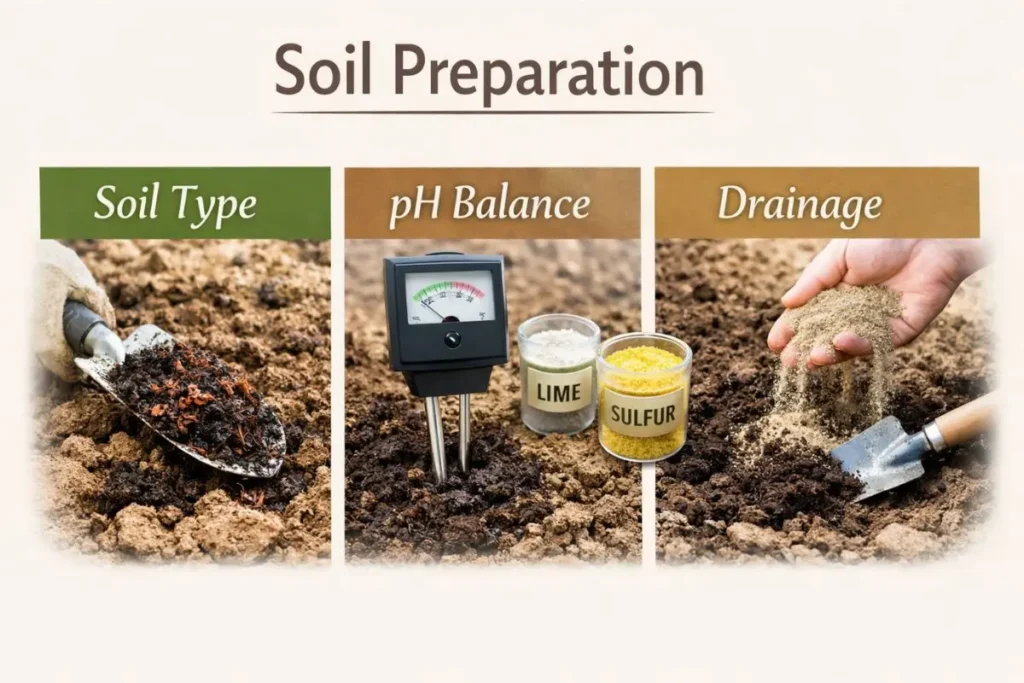
Shaded areas often have denser, more acidic soils, which may require amendments for optimal plant growth. Here’s how to prepare the soil:
- Soil Type: Shady spots may have heavier, clay-like soils. Amend with organic matter (compost or well-rotted manure) to improve drainage and structure.
- pH Balance: Most shade-loving plants prefer slightly acidic to neutral soil (pH 5.5–7.0). A soil test can guide adjustments with lime or sulfur if necessary.
- Drainage: Ensure the soil drains well. Shady areas can sometimes retain excess moisture, which can lead to root rot. Adding sand or organic matter can help with drainage.
Planting Guide:
Proper planting ensures long-term success. Follow these steps for the best results:
- Choose the Right Spot: Assess the amount of light your shaded area receives and select plants that match those conditions (deep shade, part shade, or dappled shade).
- Digging the Hole: Dig a hole twice the size of the root ball, ensuring it’s deep enough for the plant’s roots to spread comfortably.
- Soil Amendments: Mix compost or organic matter into the soil to improve fertility and drainage.
- Positioning the Plant: Place the plant at the same depth it was in the pot. Ensure the roots are spread evenly and cover with soil.
- Watering: Water thoroughly after planting to help settle the soil and provide moisture to the roots.
Sunlight & Watering:
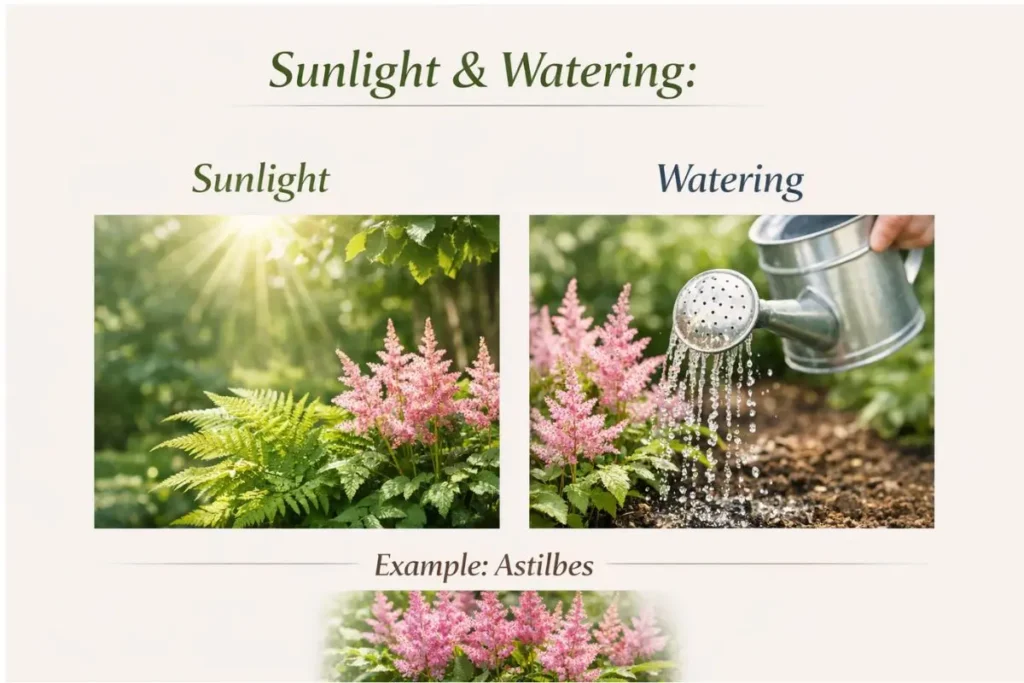
Shaded areas often retain moisture more than sunny spots, but it’s important to monitor water levels carefully:
- Sunlight: Even shaded plants require some light to thrive. Make sure your plants receive the right amount of filtered sunlight.
- Watering: Water deeply, especially during dry spells, but allow the soil to dry slightly between waterings. The soil should feel moist but not soggy—like a wrung-out sponge.
- Example: For Astilbes, consistent moisture is critical, so check the soil regularly to ensure it doesn’t dry out.
Nutrition & Fertilization:
To keep your plants healthy and growing, proper nutrition is key:
- Organic Fertilizers: Use slow-release organic fertilizers like compost or well-rotted manure. Apply in early spring and again mid-summer to support growth.
- Synthetic Fertilizers: For quicker results, use balanced synthetic fertilizers (like 10-10-10). Follow the label instructions to avoid over-fertilizing, which can lead to weak growth.
- Fertilizer Timing: Fertilize in early spring when new growth begins, and again in mid-summer to boost blooms and foliage.
Soil & Mulch Management:
Mulching is essential in shaded gardens to maintain moisture and control weeds:
- Mulch Types: Use organic mulches like wood chips, leaf mulch, or bark. These help retain moisture and improve soil fertility as they decompose.
- Weed Control: Apply a 2–3 inch layer of mulch around plants to prevent weed growth and reduce competition for nutrients.
- Moisture Retention: Mulch helps keep the soil cool and retains moisture, making it especially useful in shaded areas that can dry out unexpectedly.
Pruning & Training:
Proper pruning helps maintain plant health and shape. Here’s how to care for your plants:
- When to Prune: Prune dead or damaged growth in early spring or right after flowering to promote new growth.
- Shaping: For plants like Heuchera and Lobelia, remove spent flowers and leggy stems to encourage fresh blooms.
- Avoid Over-Pruning: Never remove more than one-third of the plant at a time to prevent stress.
Seasonal Care:
Shady areas require specific care throughout the seasons:
- Winter: Mulch around plants to protect the roots from freezing. In colder climates, move potted plants indoors or cover them with frost cloth.
- Summer: Keep shaded plants well-watered during hot weather. Add an extra layer of mulch to maintain moisture and reduce heat stress.
- Spring: Trim dead foliage and refresh the mulch. Spring is also the time to start fertilizing as new growth begins.
Growth Timeline:
Your shaded plants will follow a general growth pattern:
- Month 1–3: Focus on establishing roots. Water regularly and ensure the soil remains moist.
- Month 4–6: New growth starts to emerge. You may see flowers begin to bloom in plants like Astilbes or Hostas.
- Month 7–12: Blooming continues, and plants begin to mature. Continue pruning and removing dead foliage.
Mistakes & Myths:
Common gardening mistakes and myths to avoid:
- Myth: “No plants can grow in deep shade.”
Reality: Many plants thrive in deep shade. Choose species suited for low-light conditions. - Mistake: Overwatering shaded plants.
Reality: Shaded areas retain moisture. Always check the soil moisture before adding more water.
Pests & Diseases:
Shaded plants can still face pest and disease issues:
- Common Pests: Aphids, slugs, and snails can affect shade plants. Use organic insecticidal soap for aphids or beer traps for slugs.
- Fungal Issues: Mildew and mold can develop in humid shaded areas. Ensure good air circulation and avoid overwatering.
Harvesting & Long-Term Care:
Some plants in shaded gardens may flower or fruit. Here’s how to care for them:
- Harvesting: Gently harvest flowers like Lobelia to encourage more blooms.
- Long-Term Care: After flowering, prune dead stems and refresh the mulch. Continue to monitor moisture levels, especially in hot months.
FAQ:
Q1: How much sunlight do shade-loving plants need?
A: These plants generally require indirect or filtered light. Too much direct sun can scorch their leaves.
Q2: Can I plant sun-loving plants in shaded areas?
A: It’s not recommended. Sun-loving plants need more sunlight than shaded areas can provide.
Q3: How often should I water my shaded garden plants?
A: Water deeply once a week, but always check the soil moisture before watering. Shady areas retain moisture longer.
Q4: What’s the best mulch for shaded gardens?
A: Organic mulches like bark, wood chips, or leaf mulch work best to retain moisture and suppress weeds.
Q5: How do I prevent pests in my shaded garden?
A: Keep plants healthy and avoid overwatering. Use organic pest control methods like insecticidal soap or natural predators like ladybugs.