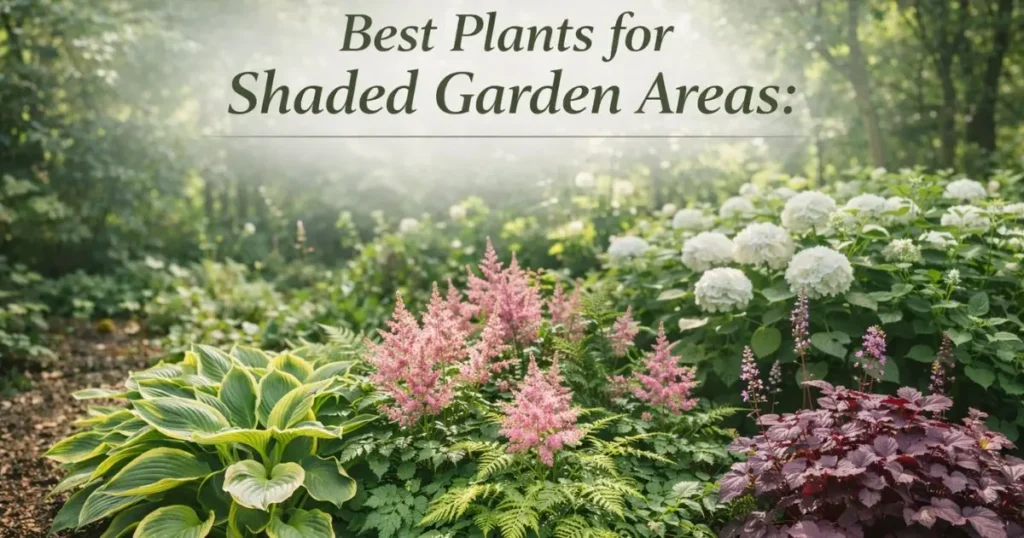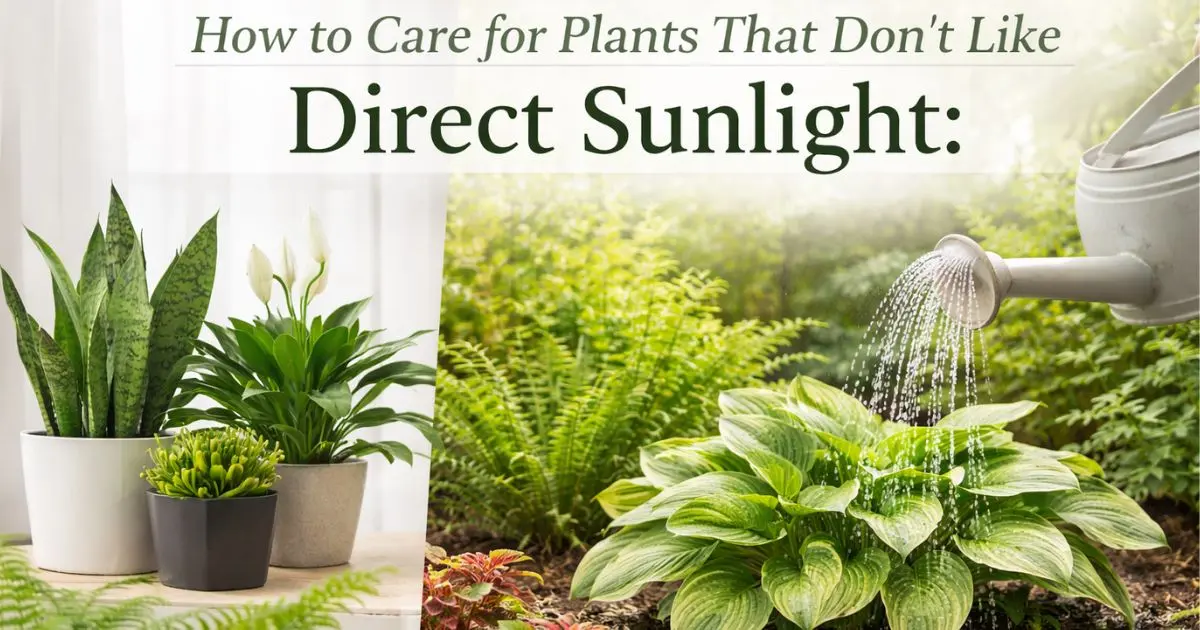
If you’re looking to create a lush, vibrant garden but don’t have a lot of direct sunlight, you’re in luck! There are a wide variety of plants that thrive in low-light conditions. These plants, often referred to as “shade-loving” plants, can bring life to your garden, balcony, or indoor spaces without needing the sun’s harsh rays.
In this guide, we’ll provide you with everything you need to know about caring for plants that don’t like direct sunlight—from choosing the right plants to creating the perfect environment for them to flourish.
Why Shade-Loving Plants Are a Garden Treasure
Shade-loving plants are perfect for adding lush greenery to shaded areas in your garden, balcony, or indoor spaces. Easy to care for, they thrive without direct sunlight, making them ideal for both beginners and experienced gardeners.
Why Should You Grow Shade-Loving Plants?
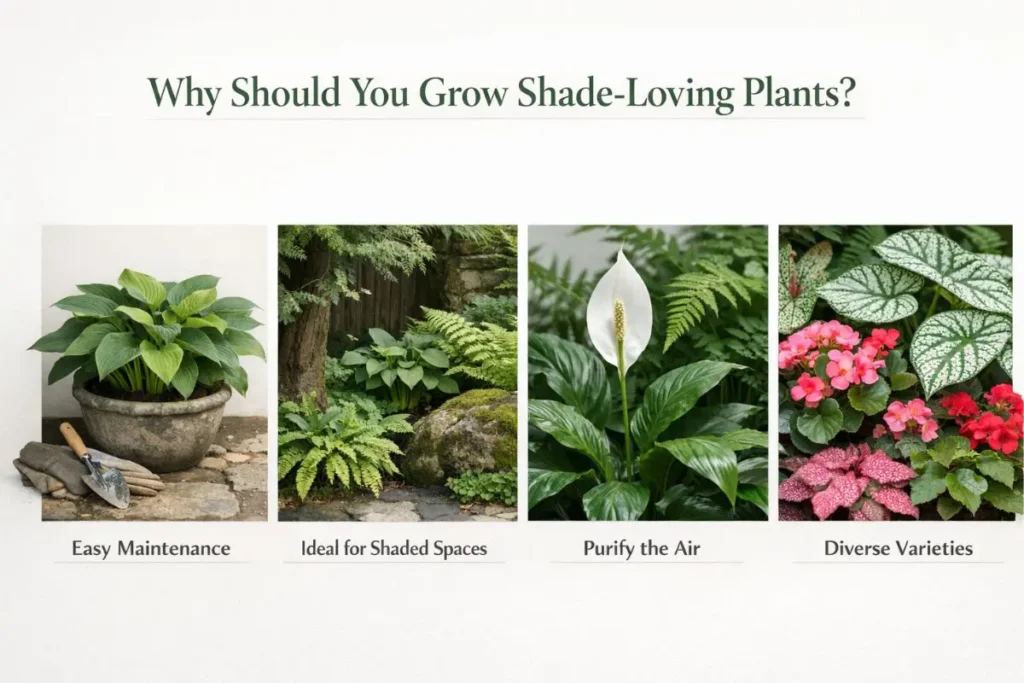
- Easy Maintenance: Shade-loving plants require less care compared to sun-loving plants, as they are more tolerant of neglect and fluctuating conditions.
- Ideal for Shaded Spaces: These plants allow you to transform even the darkest corners of your garden into lush, green spaces.
- Purify the Air: Many shade plants, such as peace lilies and ferns, are excellent at purifying the air indoors.
- Diverse Varieties: There are many varieties of shade plants, from leafy ferns to flowering begonias, offering a range of textures, colors, and forms for different garden aesthetics.
Climate & Growing Conditions:
Ideal Climate Zones
Shade-loving plants naturally grow in areas with partial shade, often under tall trees or in spots that get dappled sunlight.
- Tropical & Subtropical Zones: These plants come from warm, humid forests where they grow under tree canopies. In hot climates like India or Pakistan, it’s important to create sheltered spots to protect them from the harsh midday sun while still giving them some light.
- Temperate Zones: Plants like hostas and astilbes prefer cooler, moist conditions, typical of temperate regions.
In sunny, hot climates, adding shade structures like pergolas or trellises can help protect these plants from too much heat.
Regional Adaptability
In warmer climates, it’s important to choose plants that can tolerate heat without direct sunlight. For instance, plants like peace lilies, snake plants, and ferns are good choices for warmer regions with indirect light. If you’re in a temperate zone, hostas, bleeding hearts, and solomon’s seal are excellent picks.
Microclimate Tips
If you have an area that’s not naturally shaded, you can create a microclimate. Consider:
- Planting under trees: A canopy of trees or tall shrubs can offer the perfect shade for low-light plants.
- Using garden structures: Pergolas, lattice screens, or even walls can filter out intense sunlight and offer a more suitable growing environment for your plants.
Soil Preparation:
The soil is the first step in setting up a successful low-light plant garden. Shade-loving plants often have different soil requirements compared to sun-loving plants. Here’s how to get it right:
Soil Type and pH
- Loamy Soil: Shade plants prefer well-drained, loamy soil, which is a good balance of sand, silt, and clay. It allows for proper moisture retention while also preventing waterlogging.
- Slightly Acidic to Neutral pH: The pH of the soil should be slightly acidic to neutral (between 5.5 and 7) to allow proper nutrient uptake. If your soil is too acidic or alkaline, you can amend it with lime (to raise pH) or sulfur (to lower pH).
Soil Amendments
- Compost: Adding organic compost to the soil will improve its structure, moisture retention, and nutrient content. It’s particularly beneficial for shade-loving plants, as they tend to thrive in nutrient-rich soils.
- Peat Moss and Leaf Mold: These organic materials can help improve moisture retention, especially in sandy soils that drain too quickly.
Planting Guide: Step-by-Step for Shade-Loving Plant
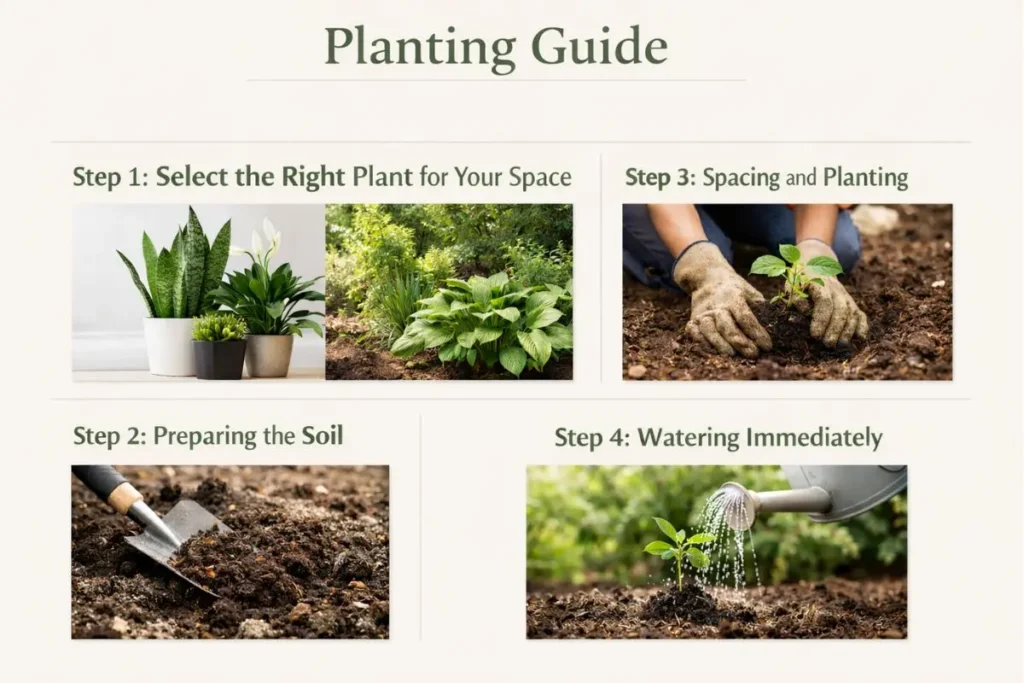
Whether you’re planting seeds, saplings, or cuttings, the process of getting your shade-loving plants in the ground is fairly straightforward. Follow these steps to ensure success:
Step 1: Select the Right Plant for Your Space
- Indoor plants: If you’re working with an indoor space or a low-light balcony, choose plants like snake plants, peace lilies, or ZZ plants.
- Outdoor plants: For outdoor gardens with light shade, go for hostas, ferns, or coleus.
Step 2: Preparing the Soil
- Loosen the soil to a depth of 6-8 inches and incorporate organic compost or peat moss. This ensures the roots have enough room to grow and the soil retains moisture without becoming soggy.
Step 3: Spacing and Planting
- Space plants according to their mature size to avoid overcrowding. Overcrowding can result in competition for nutrients and space, and can cause fungal problems.
- If you’re planting seedlings, dig a hole that’s slightly larger than the root ball. For cuttings or saplings, ensure the planting depth is the same as it was in the pot.
Step 4: Watering Immediately
- After planting, give the plants a good watering to settle the soil. Continue to water regularly, but avoid over-watering, as too much moisture can cause root rot.
Sunlight & Watering:
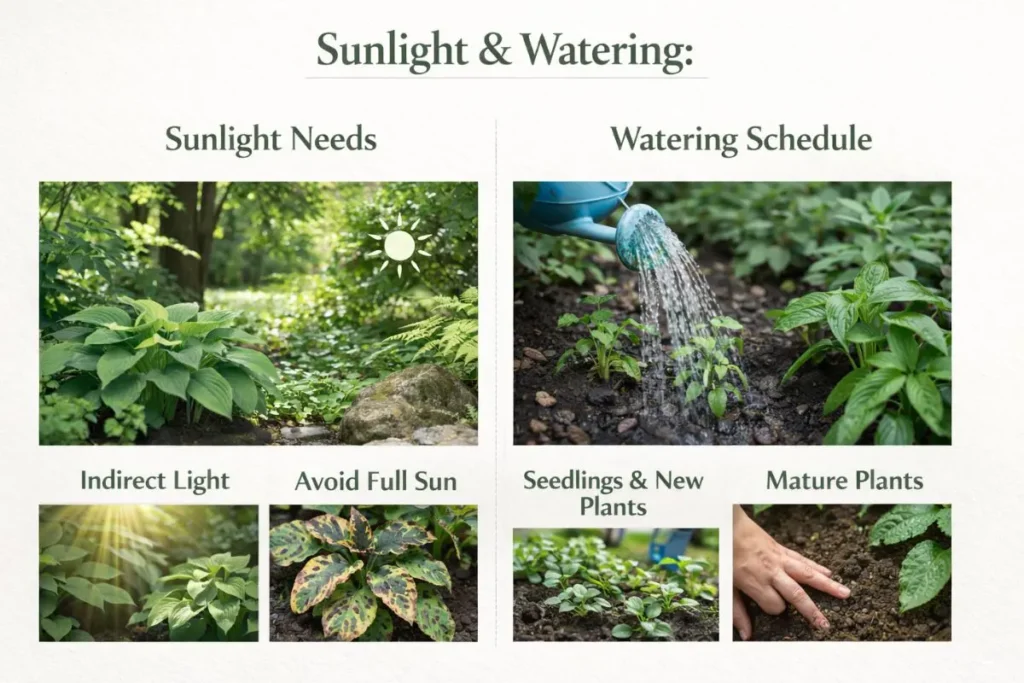
Shade-loving plants are sensitive to light, but they still need a little bit to thrive. Here’s how to balance it out:
Sunlight Needs
- Indirect Light: These plants need indirect light or filtered sunlight, meaning sunlight should be diffused by walls, trees, or other structures.
- Avoid Full Sun: Direct sun can scorch the leaves and stress the plant. However, some shade plants can tolerate a few hours of morning sun but should be protected from the afternoon heat.
Watering Schedule
- Seedlings & New Plants: Water thoroughly right after planting, but let the soil dry out slightly between waterings. For newly planted shade plants, water once or twice a week, depending on the humidity and temperature.
- Mature Plants: Water when the top inch or so of the soil feels dry to the touch. In general, shade plants prefer consistently moist, but not soggy, soil.
Nutrition & Fertilization:
While shade-loving plants don’t need a lot of fertilizer, they do benefit from occasional feeding, especially during the growing season.
Organic Fertilizers
- Compost is the best option for feeding your plants. It provides a slow release of nutrients and improves soil health.
- Fish emulsion or seaweed-based fertilizers: These organic options are rich in trace nutrients that plants love.
Synthetic Fertilizers
- If you prefer a more conventional option, a balanced liquid fertilizer (such as 10-10-10) applied once a month during the growing season will keep your plants healthy.
Fertilizing Tips
- Avoid over-fertilizing. Too much fertilizer can result in weak, leggy growth, or burnt leaves.
- Always follow the manufacturer’s instructions for synthetic fertilizers.
Soil & Mulch Management:
Proper mulch and soil management will keep your shade-loving plants healthy throughout the year.
Best Mulches
- Organic Mulches like bark, straw, or leaf mold are ideal for shade plants. They help retain moisture and regulate soil temperature.
Mulching Tips
- Apply a 2-3 inch layer of mulch around the base of the plant, ensuring the mulch doesn’t touch the stem to prevent rot.
Weed Control
- Weeds are a common problem, especially in shaded areas where there’s less competition from other plants. Mulch helps suppress weed growth. If you do get weeds, pull them out by hand to avoid disturbing the roots of your plants.
Pruning & Training:
Pruning is key to keeping shade-loving plants healthy and vibrant.
- When to Prune: The best time to prune shade plants is in early spring, just before new growth begins.
- How Much to Prune: Remove any dead, damaged, or diseased leaves. Avoid cutting back too much, as this can stress the plant.
- Training for Growth: Some shade-loving plants, like vines or climbing varieties, may need support. Use trellises or stakes to help them grow upward instead of outwards, which helps with airflow and reduces the risk of disease.
Common Mistakes & Myths:
- Overwatering: Shade-loving plants often thrive in moist soil, but too much water can cause root rot. Always check the soil moisture before watering.
- Misunderstanding Light Needs: While these plants like shade, they still need some light. Placing them in complete darkness will stunt their growth.
Pests & Diseases:
Shade-loving plants can suffer from pests and diseases, but with the right care, they’ll stay healthy.
Common Pests
- Aphids: These tiny insects suck sap from your plants. They’re easy to control with insecticidal soap or a strong jet of water.
- Mealybugs: Look for white, cotton-like clumps on your plants. Use rubbing alcohol on a cotton swab to remove them.
Diseases
- Powdery Mildew: This fungal disease loves the humid conditions shade plants often grow in. Remove affected leaves and use an organic fungicide to prevent its spread.
Harvesting & Long-Term Care:
Many shade plants, such as peace lilies or begonias, will flower regularly. Harvesting their flowers or cutting back dead growth can encourage more blooms.
- Harvesting Flowers: Gently cut flowers at the base to encourage new growth.
- Long-Term Care: Keep an eye on your plants year-round. Regularly check for pests and signs of disease, and ensure they get the right amount of water and nutrients.