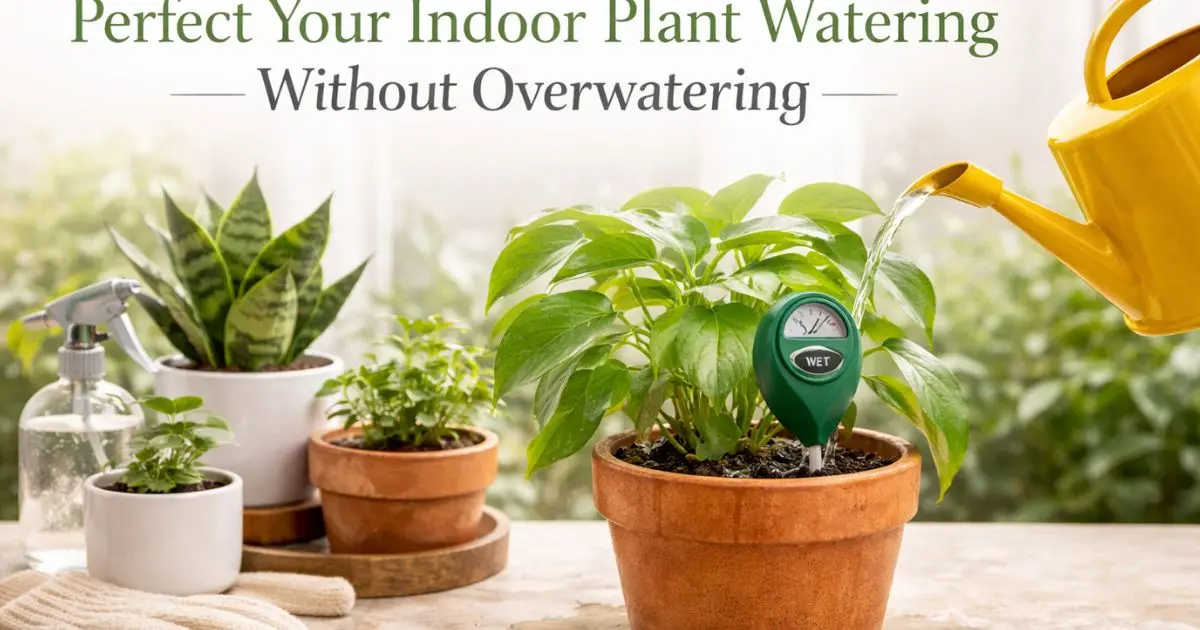
If you’re a home gardener, you know the joy that comes with cultivating beautiful indoor plants. However, there’s one common pitfall that even experienced gardeners fall into—overwatering. It’s easy to think that more water equals better growth, but in reality, overwatering can be detrimental to your plants’ health. So how do you strike the perfect balance? This guide will help you master the art of watering your indoor plants, ensuring they stay vibrant and healthy year-round.
Why Overwatering Is a Silent Killer for Your Indoor Plants
Watering is essential for plant health, but overwatering is one of the most frequent causes of plant stress. When the soil stays too damp, it can suffocate the roots by preventing them from getting the oxygen they need. The result? Root rot, mold, and an unhappy plant. Understanding how much water is enough and when to water will save your plants and keep them thriving for years to come.
Ideal Indoor Conditions:
The Right Temperature & Humidity
Indoor plants thrive in temperatures between 60°F and 75°F (15°C–24°C), but some plants—especially tropical varieties—love a little more humidity. Plants like ferns, peace lilies, and orchids will appreciate a humid environment, while cacti and succulents prefer a dry atmosphere. Be mindful of your indoor climate and adjust your watering accordingly. For example, during hot summer months in warmer regions (like India or Pakistan), plants may need more frequent watering due to faster soil evaporation.
Microclimates in Your Home
Each room in your home offers a different environment. The area by a window may get direct sunlight, while a shady corner will be cooler and more humid. Your watering routine should match the needs of the room. Plants near windows with lots of sunlight will need water more often, while plants in darker, cooler spots can go longer between waterings.
Essential Tips for Healthy Roots
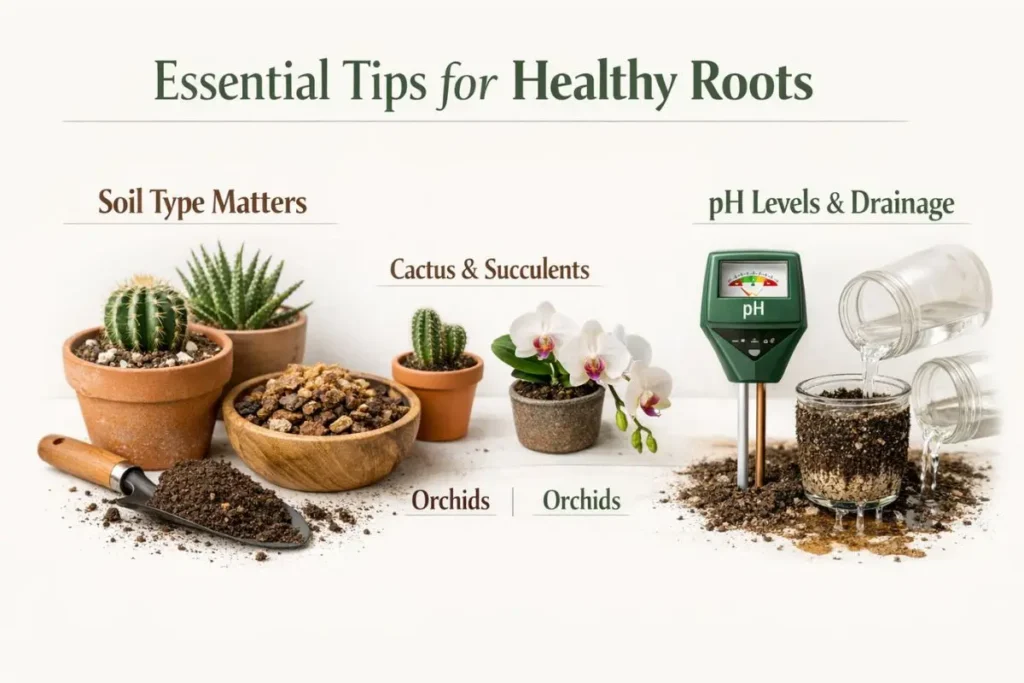
Healthy roots start with the right soil. It’s not just about making sure the plant gets enough water, but ensuring the soil can drain properly.
Soil Type Matters
Choosing the right soil mix is crucial for keeping your plants happy. Well-draining soil is a must, as it helps prevent the roots from sitting in stagnant water. For most plants, a standard potting mix will suffice. However, some plants have specific needs:
- Cactus and succulents: Use a sandy, well-draining mix.
- Orchids: Opt for orchid-specific potting media like bark or sphagnum moss.
pH Levels and Drainage
The pH of your soil can also affect how well your plants take up water. Most indoor plants prefer a neutral to slightly acidic pH (around 6–7). When watering, make sure the soil drains well to avoid waterlogging the roots.
How to Water Like a Pro:
Watering is more than just giving your plant a drink. It’s about knowing how much water your plant needs at different stages of its life.
Light + Water = Happy Plants
The amount of light your plant gets directly influences how much water it needs. Plants that thrive in bright, direct sunlight—like succulents—tend to dry out faster, so they’ll need more frequent watering. On the other hand, low-light plants, such as snake plants, require less water since their soil stays moist longer.
Watering in Stages:
- Seedling Stage: In this early stage, your plant needs just enough moisture to sprout and establish roots. Water lightly to keep the soil consistently moist but not soggy.
- Growth Stage: Once your plant has matured a bit, it will need a deeper watering. Allow the soil to dry slightly between waterings to encourage root growth.
- Mature Plants: Mature plants, particularly those in larger pots, need less frequent watering. Test the soil’s moisture level by sticking your finger in it—if it’s dry to a depth of 1–2 inches, it’s time to water.
A Simple Rule:
When checking the soil, it should feel moist but not soggy. If it feels like a wrung-out sponge—moist but not dripping—then you’re in the right zone.
The Secret to Perfect Soil:
Healthy soil needs to retain moisture without being too heavy. Here’s how to manage that balance:
Mulching for Moisture Control
A layer of mulch around your plants is your best friend when it comes to maintaining moisture. Organic mulches like bark or compost help retain water and prevent the soil from drying out too quickly. They also regulate temperature, ensuring the roots don’t get too hot or cold.
Keeping Weeds Away
Weeds compete for nutrients and water, so keep them at bay with a good mulch layer. Additionally, mulching reduces the need for frequent watering by keeping the soil moist for longer periods.
Fertilization:
Just as plants need water, they also need food to grow. But too much fertilizer can harm your plants, so it’s important to use the right type and amount.
Organic vs. Synthetic Fertilizers
Both organic and synthetic fertilizers can be effective, but organic options tend to release nutrients slowly and steadily, which is better for your plant’s long-term health. Examples include compost, worm castings, and organic liquid fertilizers.
When to Fertilize
Feed your plants during the growing season (spring and summer). Avoid fertilizing in fall and winter when plant growth slows. Too much fertilizer during these periods can stress the plant and lead to nutrient imbalances.
Understanding Seasonal Changes:
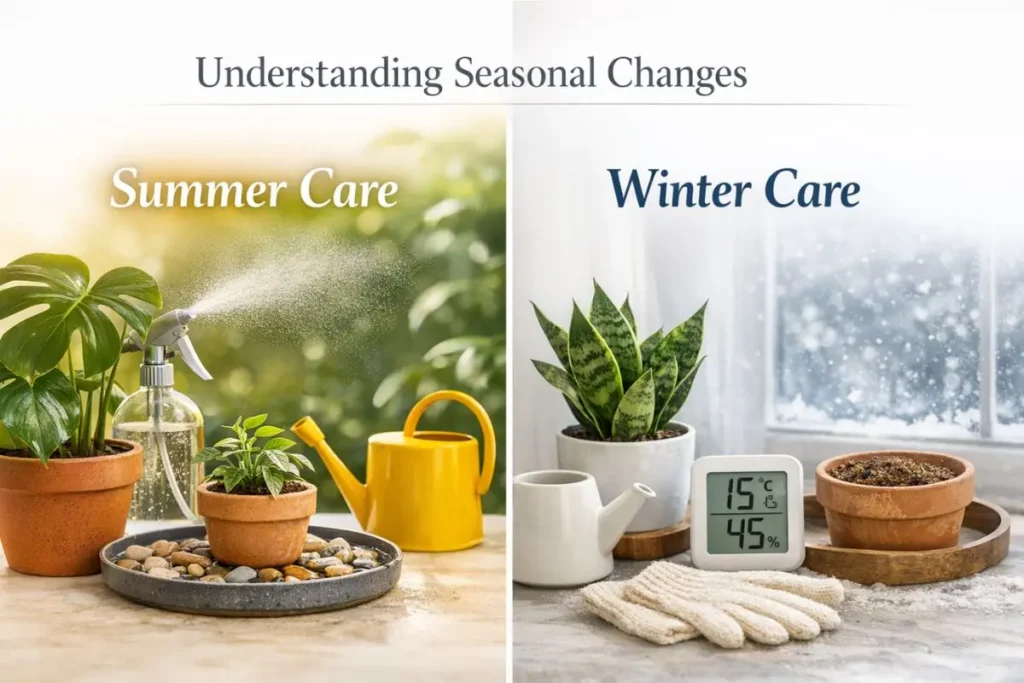
Summer Care
During the hotter months, your plants will need more water, but make sure to avoid overwatering. If you live in a particularly hot region, try to increase humidity by misting the plants or using a humidity tray to keep them comfortable.
Winter Care
In the winter, plants go into dormancy, and they need less water. Check your soil before watering, as plants in cooler conditions take longer to dry out.
Avoid These Common Watering Mistakes
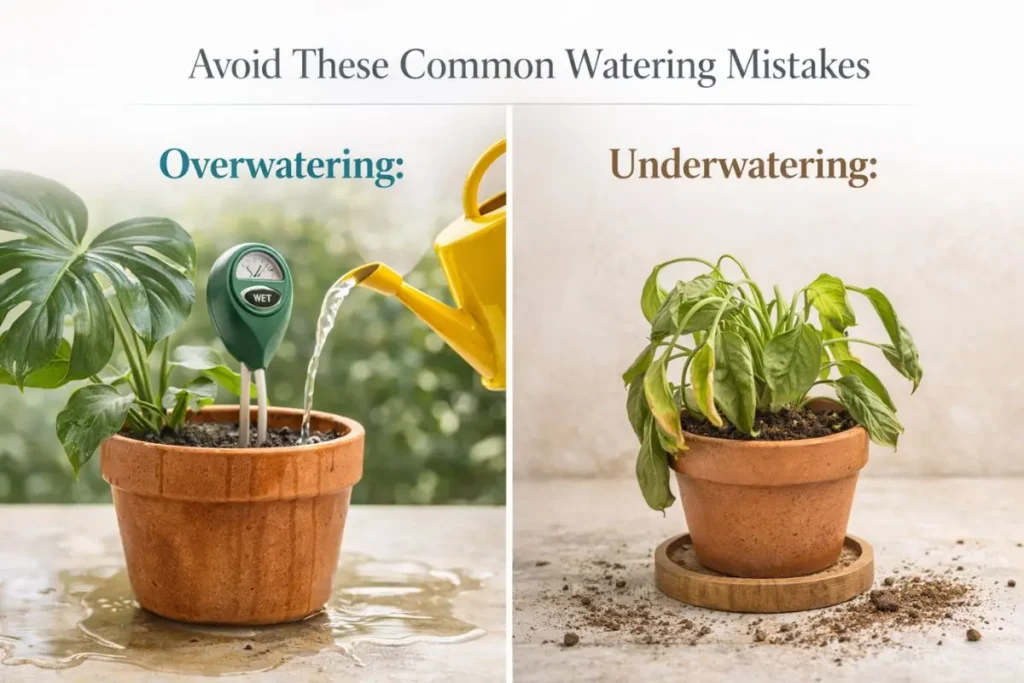
Overwatering:
Overwatering is a common mistake, but it’s easy to prevent. Always allow the soil to dry out between waterings. Use a moisture meter if you’re unsure when it’s time to water.
Underwatering:
On the flip side, underwatering is equally damaging. When the soil gets too dry, your plant’s roots can’t absorb nutrients properly, which will lead to stunted growth.
Dealing with Pests and Diseases
Most indoor plants are susceptible to pests like aphids, mealybugs, and scale. To prevent pest infestations, inspect your plants regularly and treat any issues early with organic solutions like neem oil or insecticidal soap.
Signs of Pests
Look out for sticky residue on leaves or tiny webs, especially around the stems. Yellowing leaves or brown spots can indicate an infection or pest problem.
FAQs:
- How do I know when to stop watering?
Stick your finger into the soil. If it feels dry 1–2 inches deep, it’s time to water. - Can I water my plants with tap water?
Yes, but let it sit for 24 hours to let the chlorine dissipate, especially for sensitive plants like ferns. - What should I do if my plant is overwatered?
Repot the plant in fresh, dry soil and remove any rotting roots. Make sure the new soil drains well.