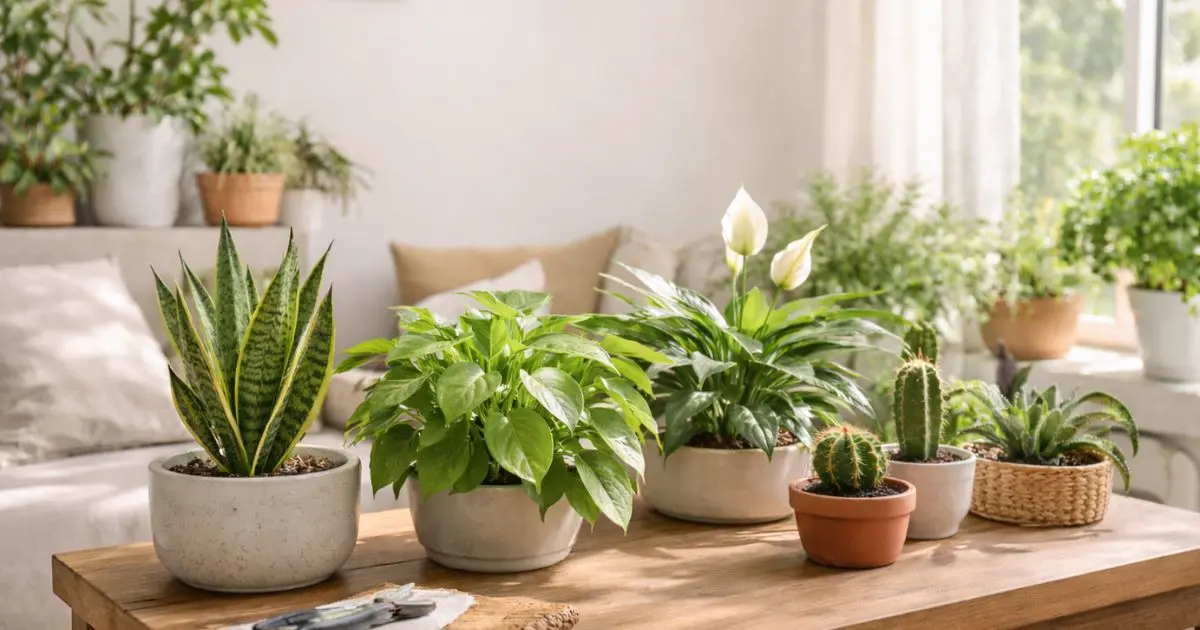
Transform your home into a lush, vibrant sanctuary by growing houseplants that thrive on natural light. Whether you’re a seasoned gardener or a newcomer, you don’t need expensive grow lights to nurture thriving plants. By understanding the right conditions, soil, watering, and sunlight needs, you can effortlessly cultivate beautiful, healthy houseplants using only natural light.
Why Grow Plants in Natural Light?
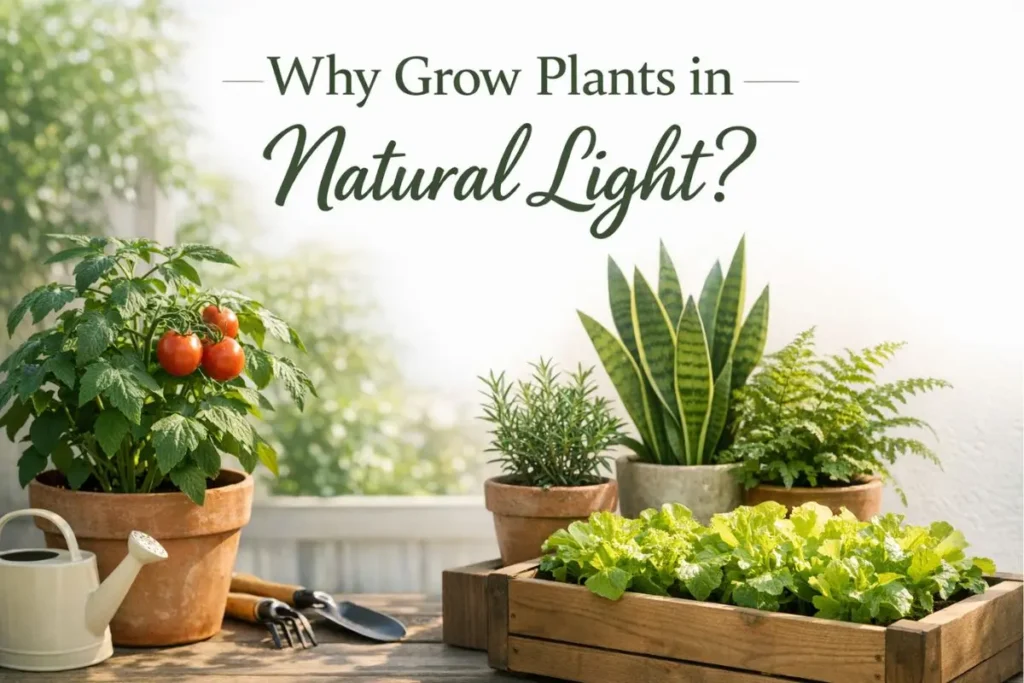
The idea of growing plants using only natural light is deeply appealing to many gardeners. It’s low maintenance, energy-efficient, and aligns with the natural rhythms of the world around us. For home gardeners with a backyard or terrace, natural light isn’t just a luxury—it’s the key to supporting healthy, thriving plants. When you understand which plants thrive in these conditions and how to cater to their needs, you’ll find yourself surrounded by lush greenery, effortlessly.
Know Your Light and Climate
The first step to growing plants that thrive with natural light is understanding the light conditions your plants need. Houseplants that do best in natural light usually come from regions that enjoy plenty of sunshine and mild to warm climates.
If you live in warmer climates like those found in Pakistan or India, or tropical areas, you’ll find that certain houseplants naturally thrive in the abundant sunlight your home receives. Tropical plants and succulents, for instance, are often a great fit for your garden.
Tip:
Position your plants near south-facing windows for maximum light, or on your balcony where they can soak up sunshine throughout the day. Keep in mind that the amount of sunlight varies depending on the direction your window faces.
Soil That Works
Every houseplant has a unique soil preference, and knowing this is essential for their survival. Houseplants that do well in natural light tend to favor well–draining soil, especially in sunny spots where the soil tends to dry out faster.
For example:
- Succulents and cacti thrive in sandy, well-drained soil that mimics their native desert environments.
- Peace lilies and ferns, on the other hand, prefer a loamy, slightly moist mix.
Soil pH is also a factor. Most houseplants prefer slightly acidic to neutral soil, usually in the 6-7 pH range. If you’re unsure of your soil’s pH, you can easily test it using a DIY kit to ensure optimal growing conditions for your plants.
Step-by-Step Planting Success
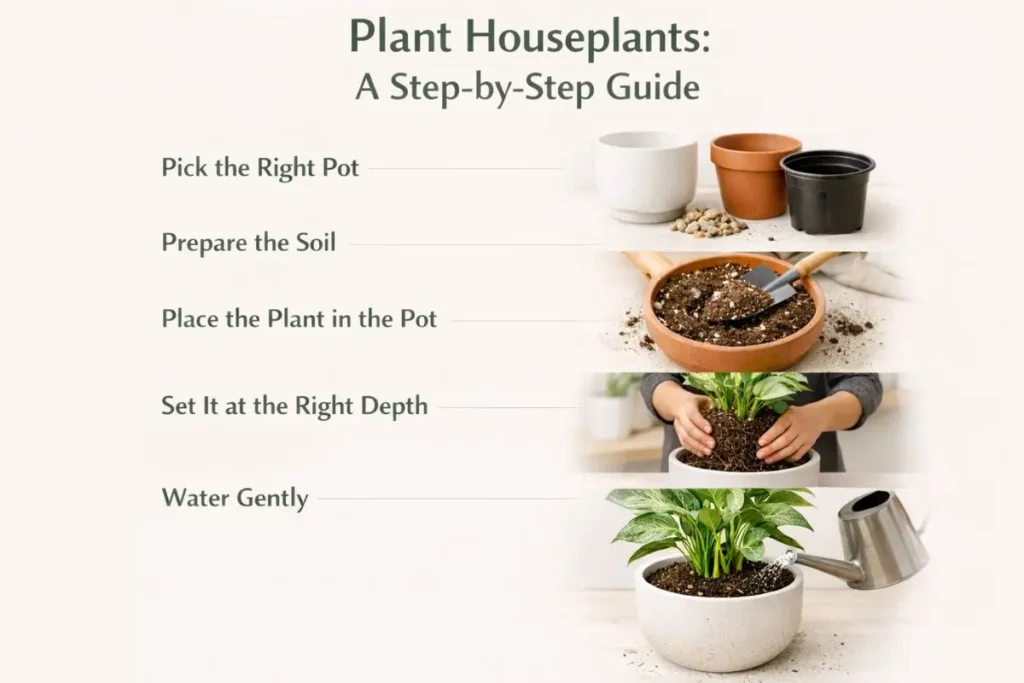
Planting houseplants in natural light is an art, and a little guidance goes a long way. Here’s a step-by-step planting guide to ensure success:
- Pick the Right Pot: Choose a pot that allows excess water to drain away, preventing root rot.
- Prepare the Soil: Mix your soil with some organic material like compost or perlite for added drainage.
- Place the Plant in the Pot: Remove the plant from its nursery container and gently tease the roots if they are crowded.
- Set It at the Right Depth: Ensure the plant sits at the same depth in the new pot as it did in its original container.
- Water Gently: Water the plant right after planting to help settle the roots into their new home.
Giving Your Plants What They Need
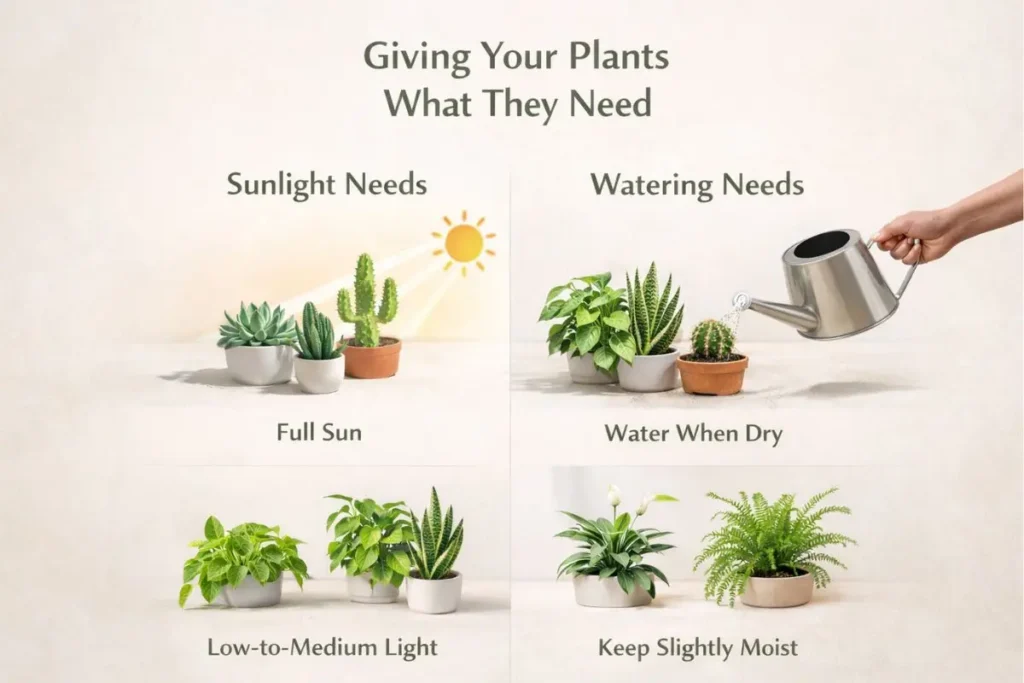
Knowing how much sunlight your plant needs is essential for keeping it healthy. Most houseplants that grow well in natural light thrive in bright, indirect light but can tolerate partial direct sunlight.
For instance:
- Succulents and cacti love full sun and can take direct exposure for several hours each day.
- Plants like pothos or snake plants are perfect for low-to-medium light spaces.
As for watering, different plants have different needs:
- For succulents and cacti, water only when the soil is completely dry—generally every 1-2 weeks.
- Plants like peace lilies and ferns prefer a consistent watering schedule. Their soil should be kept slightly moist, but never soggy.
Fertilizing Your Houseplants:
Just like humans, houseplants need nutrition to grow strong and healthy. The best approach to fertilizing is organic methods like compost or worm castings, which are slow-releasing and gentle on the plants.
For plants that grow in bright natural light, such as succulents, you can fertilize once every 4-6 weeks during the growing season (spring to summer). Avoid over-fertilizing, which can harm your plants by causing root burn or stunted growth.
Tip:
For indoor plants, choose a balanced, liquid fertilizer that provides equal amounts of nitrogen, phosphorus, and potassium.
Mulching & Moisture Management
Mulching is a simple but effective way to manage moisture and reduce the need for frequent watering. It helps to retain soil moisture and regulate temperature, which is vital for plants exposed to bright sunlight.
Use organic mulch such as wood chips, bark, or even straw. Be sure to leave some space around the stem of the plant to avoid rot.
Helping Your Plants Look Their Best
Pruning your plants isn’t just about tidying up—it encourages new growth and keeps your plants healthy. For most houseplants, regular pruning is necessary to remove dead or damaged leaves and encourage new shoots.
Seasonal Plant Care
Each season brings new challenges for your plants, and you’ll need to adjust care accordingly:
- Spring/Summer: Water more frequently and keep the plants in their bright spots. Many plants experience rapid growth during these seasons, so they’ll need extra attention.
- Fall/Winter: Reduce watering since most houseplants rest during colder months. Make sure they’re not exposed to harsh winds or chilly drafts.
Mistakes to Avoid:
- Overwatering: Many plants prefer dry periods between watering, especially succulents. Stick your finger in the soil—if it’s dry a couple of inches down, it’s time to water.
- Improper Sunlight: Understand your plant’s specific light needs. Overexposure to direct sunlight can scorch some plants, while insufficient light can cause others to become leggy and weak.
- Over-fertilizing: Less is more when it comes to feeding your plants. Follow the recommended guidelines, and err on the side of caution.
Dealing with Pests & Diseases:
Houseplants are susceptible to pests like mealybugs, aphids, and spider mites, especially when growing in warmer, sunny conditions. Keep an eye on the leaves and stems for any signs of damage or insects.
Solution: Use neem oil or insecticidal soap to treat pest infestations. For fungal diseases, remove affected leaves and treat the plant with an anti-fungal solution.
Long-Term Care & Harvesting
As your plants mature, they may start producing flowers or even fruit. Harvest gently, taking care not to damage the plant. Many houseplants, especially those in natural light, will continue to grow and bloom year after year with proper care.