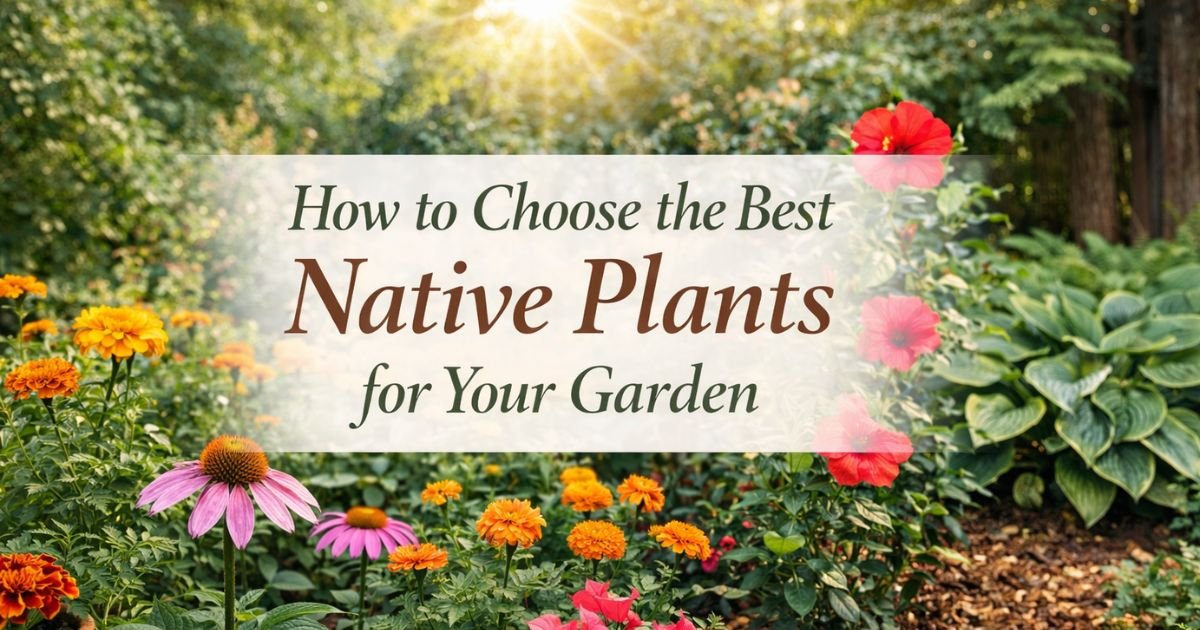
If you’re a home gardener looking to add a touch of natural beauty to your backyard or terrace, native plants are a fantastic choice. These plants not only look great, but they also provide valuable benefits to local wildlife, are easier to care for, and often require fewer resources. Whether you’re in a temperate zone or experiencing warmer climates like those in Pakistan or India, native plants are a smart, sustainable option that aligns with your region’s ecosystem.
In this guide, I’ll take you through the essential steps of choosing, planting, and caring for native plants, with practical tips and real-world examples from my years of hands-on experience. Let’s dig in!
Why Choose Native Plants?
You might be wondering—what exactly makes native plants so special? Here’s the scoop:
- Naturally Adapted: Native plants thrive in your region’s climate, soil, and growing conditions, meaning they need fewer resources like water, fertilizers, and pesticides.
- Wildlife Friendly: Native plants attract local wildlife, from birds to pollinators, which helps create a balanced ecosystem right in your own backyard.
- Low Maintenance: Once established, these plants require little intervention. They’re perfect for gardeners who want a beautiful garden without constantly fussing over it.
Choosing the Right Native Plants for Your Climate
The first step in choosing the best native plants is understanding your local climate and growing conditions. Your garden’s success depends on selecting plants that are naturally suited to your region.
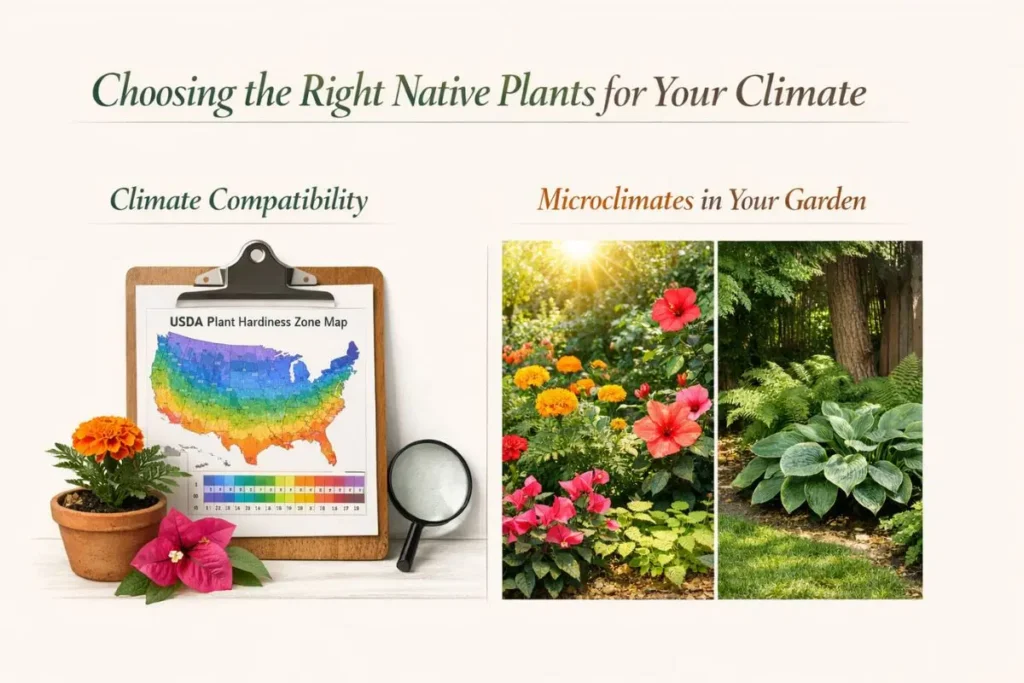
Climate Compatibility:
Look up your USDA Plant Hardiness Zone or consult a local gardening guide to find plants that grow best in your area. For warmer climates like those in India or Pakistan, plants like marigolds, bougainvillea, and hibiscus flourish due to their heat tolerance.
Microclimates in Your Garden:
Your garden likely has areas with different sunlight, temperature, and humidity levels. Observe your garden throughout the day and match the plant’s needs to where it will thrive. For example, some plants love full sun, while others may do better in the shade.
Soil Secrets Revealed:
Healthy soil is the bedrock of any thriving garden, especially for native plants. Let’s break down how to prepare the soil for these resilient beauties.
Check Your Soil Type:
Native plants are accustomed to the soil in your area, but it’s still crucial to ensure it meets their needs. Loamy soil, which is a mix of sand, silt, and clay, is ideal for most plants. For clay-heavy soil, amend with compost to improve drainage.
Perfect pH:
Test the soil’s pH level. Most native plants prefer slightly acidic to neutral soil, but some species may thrive in either acidic or alkaline conditions. Make adjustments by adding lime (to raise pH) or sulfur (to lower pH).
Amendments for Rich Soil:
Native plants do well in nutrient-rich soil, but avoid over-fertilizing. Adding organic materials like compost or mulch improves soil structure, promotes healthy root development, and fosters beneficial microorganisms.
Getting Your Native Plants in the Ground
Now that your soil is prepped, it’s time to plant! Here’s how to give your native plants the best start.
When to Plant:
Planting at the right time is key. Spring and early fall are typically ideal for most native species because temperatures are mild, and the soil is moist.
Digging the Hole:
Dig a hole about twice the width of the root ball and no deeper than the root. This ensures that the plant’s roots can spread easily. The top of the root ball should be level with the surrounding soil.
Spacing is Key:
Give your plants room to breathe. Native plants need space to grow, so be sure to follow the spacing recommendations on the plant label.
Sun, Water, and the Right Care:
Sunlight and water are two essential elements for plant success. Let’s dive into how you can meet these needs effectively.
Sunlight:
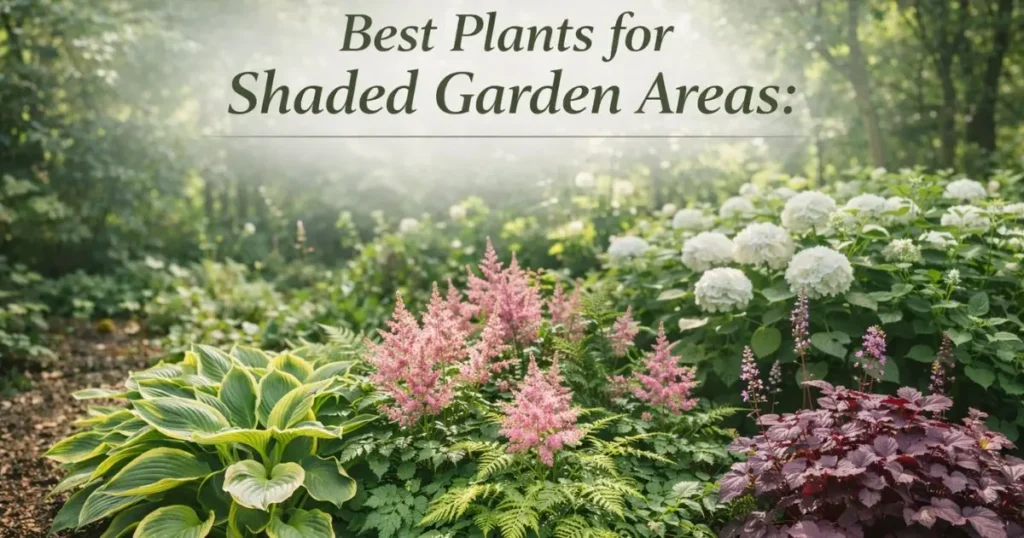
Native plants often require full sun (6+ hours of direct light daily), but some may thrive in partial shade. Pay attention to your garden’s light patterns and position plants accordingly. For example, ferns and hostas prefer shade, while wildflowers love the sun.
Watering Guide:
New plants need regular watering, especially during the first few weeks. After that, most native plants are drought-tolerant. Water deeply but infrequently, allowing the soil to dry between waterings. Think of it like squeezing a sponge—it should feel damp but not soggy.
Feeding Your Plants
While native plants are generally low-maintenance, providing a little nourishment can go a long way.
Organic Fertilizers:
If your soil is lacking nutrients, feed your plants with organic compost or slow-release fertilizers. Native plants don’t need heavy doses of fertilizer, so a light application in spring will usually suffice.
Over-Fertilizing Pitfalls:
Avoid over-fertilizing, as it can lead to excessive growth and attract pests. Stick to natural fertilizers to promote healthy, balanced plant growth.
How Mulch Benefits Native Plants
Mulch does more than just make your garden look tidy. It’s a gardening powerhouse, especially when it comes to native plants.
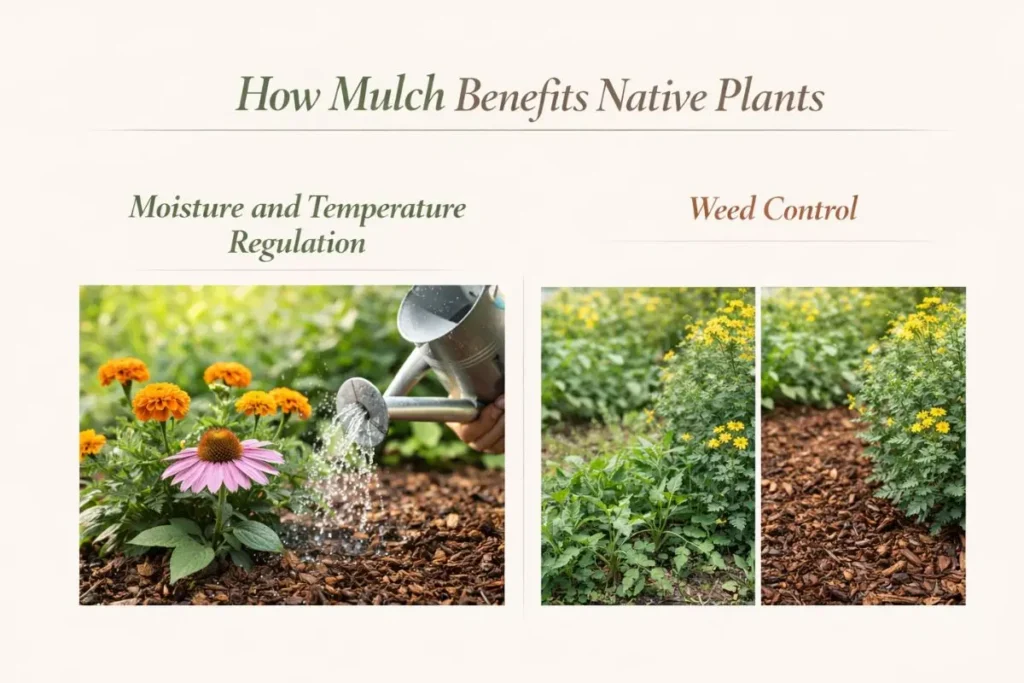
Moisture and Temperature Regulation:
Mulch helps retain moisture, keeping the roots of your plants cool in summer and warm in winter. Apply a 2-3 inch layer of organic mulch like bark, straw, or compost.
Weed Control:
A well-mulched garden is less likely to be overrun by weeds, which compete with your plants for nutrients and water.
Pruning and Shaping:
Pruning helps maintain plant health and encourages new growth. Here’s how to do it right:
When to Prune:
Prune dead or damaged growth after flowering, or during the dormant season. Avoid heavy pruning during active growth, as this can stress the plant.
Training:
For climbing plants, use bamboo stakes, trellises, or other supports to help them grow upward without unnecessary pruning.
Seasonal Care
Native plants have natural cycles that you can work with to keep them in top shape.
Spring:
Check your plants for dead growth, remove any debris, and give them a light feeding with organic compost.
Summer:
Water your plants during dry spells, and keep the soil moist. Mulch to prevent heat stress.
Fall:
As temperatures drop, cut back dead stems and prepare your plants for winter. Add a fresh layer of mulch to insulate the roots.
Winter:
Many native plants go dormant during winter. Protect them from freezing with extra mulch and avoid heavy pruning during this time.
Mistakes to Avoid
Here are some typical mistakes to steer clear of:
- Overwatering: Native plants are usually drought-tolerant. Water only when necessary.
- Planting in the Wrong Spot: Ensure you’re matching the plant’s light, water, and space requirements to the garden’s conditions.
- Ignoring Soil Needs: Test and amend your soil before planting to avoid nutrient imbalances.
Pests and Diseases
Most native plants are naturally resistant to pests and diseases, but occasionally you may encounter issues. Here’s what to do:
Common Pests:
Aphids, caterpillars, and spider mites may target your plants. Use insecticidal soap or simply remove pests by hand.
Diseases:
Root rot can be a problem in overly wet soil. Make sure your garden has good drainage to prevent this.
Harvesting and Long-Term Care
If you’ve chosen native plants for their flowers or fruits, harvesting them at the right time is key to enjoying their bounty.
- Flowering Plants: Deadhead spent flowers to encourage more blooms.
- Fruiting Plants: Wait until fruits are fully ripe before harvesting. Handle them gently to avoid damaging the plant.