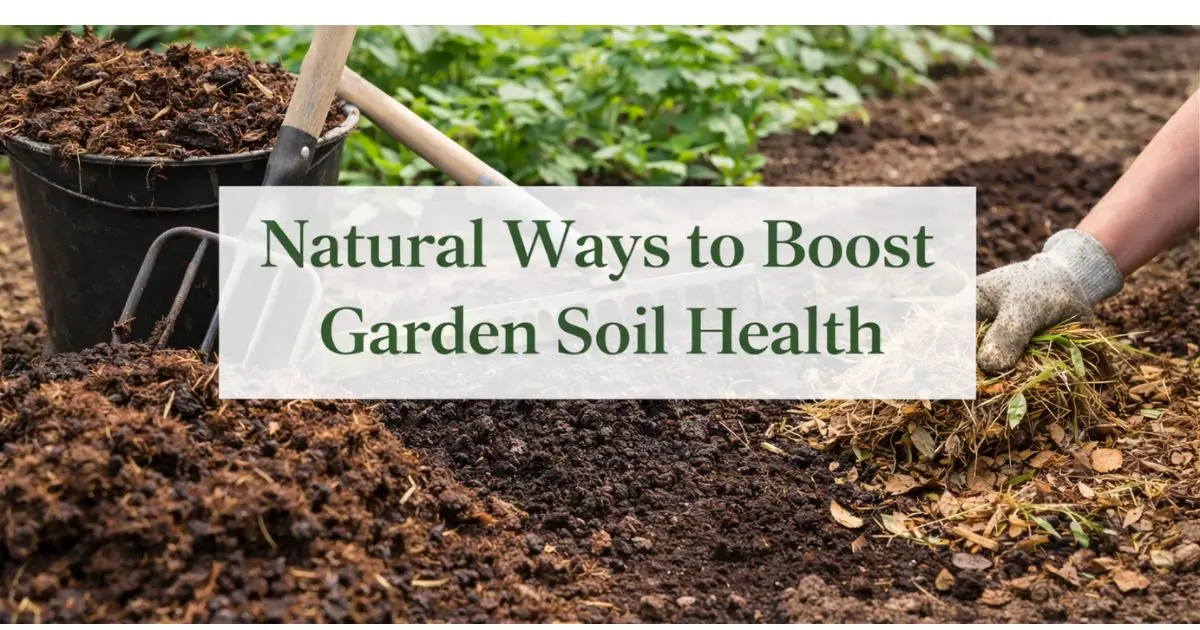
Soil is the secret to a flourishing garden. Without rich, healthy soil, plants can struggle to take root, grow, and thrive. Whether you’re an experienced gardener or a newbie looking to improve your backyard soil, this guide will give you the tools and tips to turn your soil into a powerhouse for plant health. And the best part? You don’t need to resort to expensive chemicals—natural methods can work wonders. Let’s dive into the world of soil health and how you can enhance it with simple, practical strategies.
Why Soil Health Matters
Your soil is the foundation of your garden. It’s where your plants take root, access nutrients, and grow. But soil isn’t just dirt—it’s a complex ecosystem made up of minerals, organic matter, microbes, and air. For plants to grow strong, the soil needs to be balanced and healthy. Poor soil leads to poor plant growth, attracts pests, and creates an overall struggle for your garden.
Understanding Your Local Climate
The first step in boosting soil health is to understand your local climate. Soil health is heavily influenced by your environment, so the changes you make to your soil will depend on where you live. Here are some things to consider:
Climate Adaptation for Soil Health
- Hot, dry climates (like parts of India or Pakistan) tend to have sandy or clay-rich soils that may not hold moisture or nutrients very well. To fix this, adding compost and organic matter can improve soil structure and moisture retention.
- Cooler climates may have acidic or compacted soils, which can be corrected by adding organic amendments like compost or manure to improve aeration and balance pH.
Microclimates in Your Garden
Your garden might have different “microclimates,” or areas with different sun exposure, moisture, and temperature. For instance, plants in sunny spots need soil that can retain moisture better, while shaded areas need soil with good drainage. Understanding these variations and tailoring your soil amendments to each spot will give your plants the best chance at thriving.
Soil Prep:
Soil preparation is where the magic happens. To get your soil ready for planting, follow these key steps:
Getting the Right Soil Type
Whether your garden’s soil is sandy, loamy, or clay-heavy, you can improve its texture. Loamy soil is ideal, but don’t fret if you have a different soil type. Here’s what to do:
- Sandy soil: Amend with organic materials like compost to improve moisture retention.
- Clay-heavy soil: Add compost and sand to improve drainage and structure.
pH Balance:
Soil pH determines how well plants can access nutrients. Most plants prefer a neutral pH, around 6.5 to 7. You can test your soil’s pH with a simple kit. If your soil is too acidic, you can raise the pH with lime. If it’s too alkaline, sulfur will bring it down.
Soil Drainage
Good soil should drain well while still holding onto enough moisture for your plants to access. If you’re working with heavy, compacted soil, try mixing in organic materials like compost to improve its structure.
The Secret to Healthy Soil
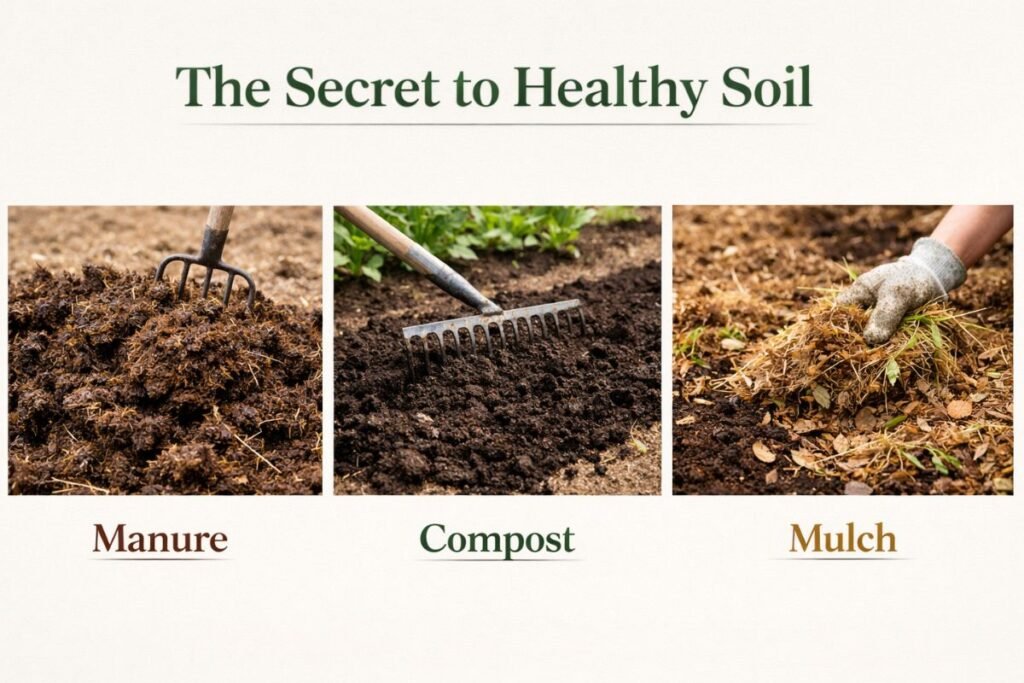
Incorporating organic matter into your soil is the number-one way to boost its health. Here’s how to do it:
Manure: Well-rotted manure is an excellent addition for nutrient-poor soil. However, make sure it’s well-composted to avoid burning your plants.
Compost: Compost is a treasure for garden soil. It improves structure, increases moisture retention, and provides a slow release of nutrients. Simply spread a 2–3 inch layer over your soil and lightly work it in with a rake.
Mulch: Mulch not only helps retain moisture but also prevents weed growth and adds organic matter to your soil as it decomposes. Grass clippings, leaves, or straw are all great options.
Planting
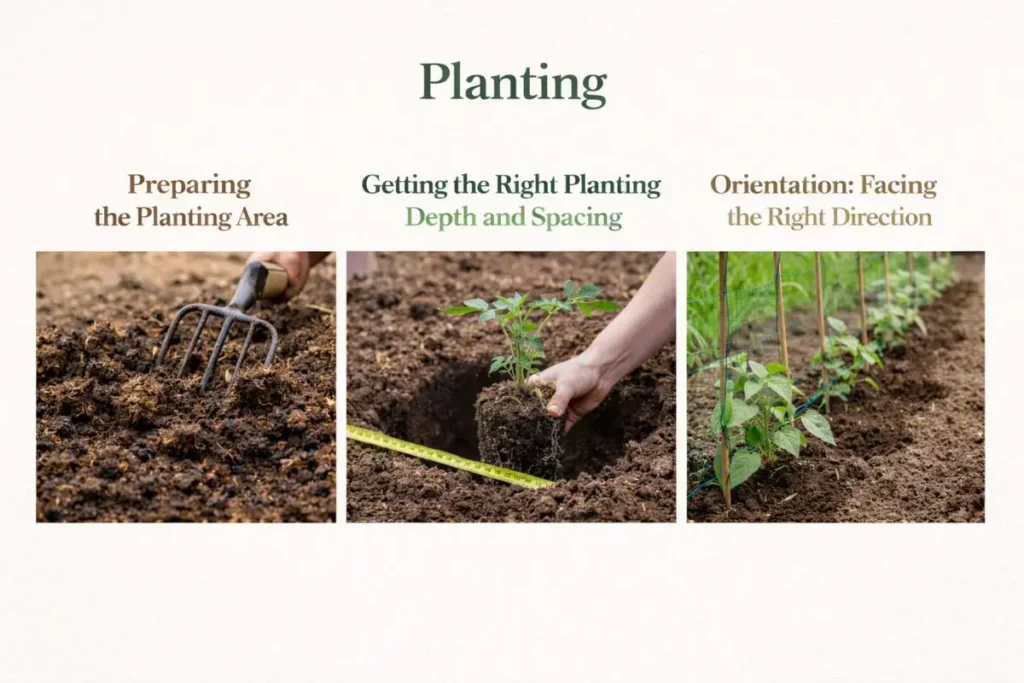
Now that your soil is prepped, it’s time to plant. Here’s how to plant in a way that supports healthy soil and strong plants:
Preparing the Planting Area
Clear the soil of any weeds and debris. Loosen compacted soil with a fork or tiller, especially in areas where the soil feels hard. If your soil is heavy or clay-like, add organic matter and work it in.
Getting the Right Planting Depth and Spacing
For most plants, the hole should be about twice the size of the root ball. Always follow the planting depth guidelines for each plant—planting too deep can suffocate the roots.
Orientation: Facing the Right Direction
When planting, ensure your plants are oriented properly. For example, if you’re planting vines, make sure they’re positioned in a way that allows them to climb easily. Proper orientation helps the plant grow healthily.
Watering and Sunlight:
After planting, the next crucial step is to keep your soil moist and well-lit. Here’s how to get it right:
Watering: Consistency is Key
Watering deeply but less frequently is the best approach. Ensure the soil feels like a wrung-out sponge—not soaking wet, but not dry either. Early morning is the best time to water your garden to reduce evaporation losses.
- Seedlings: Water more frequently, keeping the soil moist.
- Established plants: Water deeply but less often, about once a week.
Sunlight: A Vital Component for Healthy Soil
Most plants need at least 6–8 hours of sunlight daily. Sunlight directly affects your soil’s ability to nourish plants. Make sure your garden gets enough light, or use shade cloth for plants that need protection from the heat.
Organic Fertilization
Fertilizing is essential, but overdoing it can harm your soil. Here are natural and organic ways to fertilize your garden:
Organic Fertilizers
- Fish emulsion and seaweed extracts are great organic fertilizers. Apply every 4-6 weeks during the growing season.
- Bone meal and blood meal are rich in nutrients like phosphorus and nitrogen, which help promote healthy root and flower growth.
Be Cautious with Synthetic Fertilizers
While synthetic fertilizers give plants a quick nutrient boost, they don’t improve soil health over the long term. Use them sparingly and always follow the manufacturer’s instructions.
Mulching & Moisture Control:
Mulch isn’t just for appearance—it’s essential for maintaining healthy soil. Here’s how to mulch effectively:
Mulch to Retain Moisture
Apply a thick layer (3 inches) of mulch around your plants. Organic mulches like wood chips or straw help keep soil moist, control weeds, and add organic matter over time.
Weed Control
Weeds compete for nutrients and moisture. By mulching and regularly removing weeds, you’ll keep your garden’s soil healthy and productive.
Seasonal Soil Care
Soil needs attention throughout the year. Here’s how to care for it in each season:
Spring
Prepare the soil by adding compost and organic matter. Start watering regularly as the weather warms.
Summer
Monitor soil moisture closely. Use mulch to keep the soil cool and prevent it from drying out. Consider shade cloth for vulnerable plants.
Fall
After harvesting, add compost or manure to the soil to enrich it for the next growing season. Cover bare soil with mulch to prevent erosion.
Winter
In cold climates, protect your soil from freezing and erosion by covering it with mulch or leaves. Allow plant debris to decompose on the soil for added nutrients.
Common Soil Problems and Solutions
If your soil is still not performing well, here’s a quick guide to solving common issues:
- Compacted soil: Aerate with a garden fork or tiller and add organic matter.
- Acidic soil: Add lime to increase pH.
- Alkaline soil: Use sulfur to lower pH.
- Nutrient-deficient soil: Add compost, manure, or a balanced organic fertilizer.
Harvesting & Maintaining Your Garden Soil
Once your plants are established, it’s time to harvest, but remember, your soil needs care all year long:
- Harvest fruits and vegetables carefully to avoid damaging the soil.
- Keep adding organic matter like compost and mulch to maintain soil health long-term.
- Regularly check soil pH and nutrient levels to make sure your soil remains balanced.