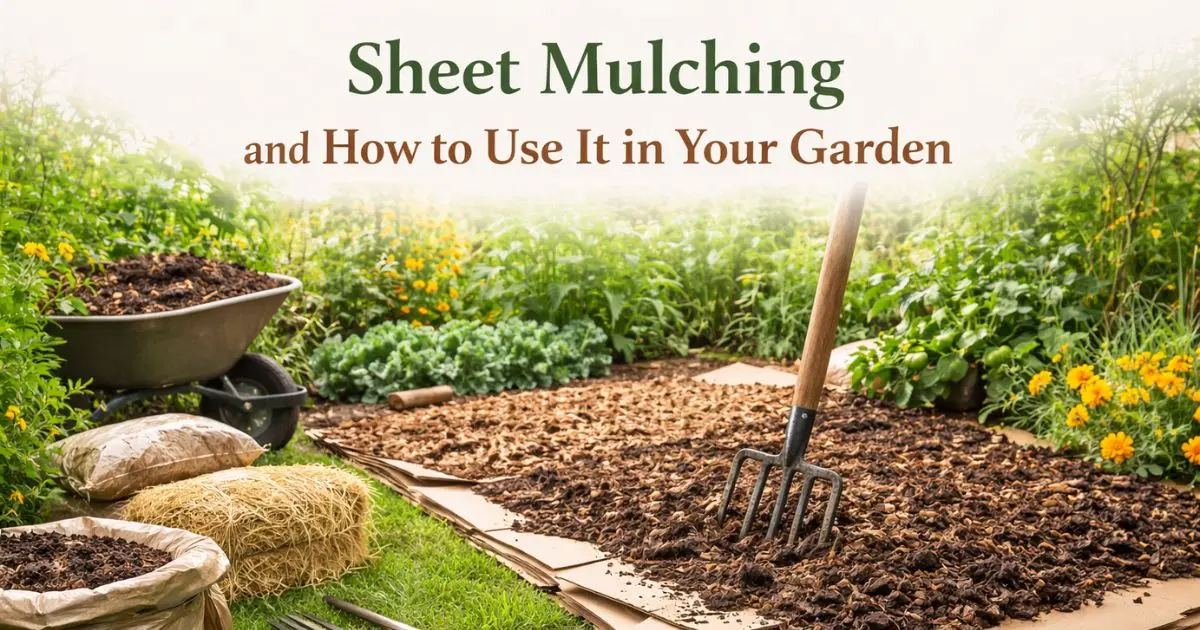
If you’re a gardener looking for an effective, eco-friendly way to improve your soil, reduce weeds, and maintain moisture, sheet mulching is the answer. It’s one of the best-kept secrets in organic gardening, providing long-term benefits without requiring a lot of effort. But what exactly is sheet mulching? Simply put, it’s a method of layering organic and biodegradable materials directly onto your garden bed to improve soil health. In this post, we’ll explore how you can use sheet mulching in your garden for healthier plants, better moisture retention, and fewer weeds. Let’s dive in!
What Is Sheet Mulching?
Sheet mulching is a no-dig gardening technique that involves laying down a series of materials on top of your soil to suppress weeds, retain moisture, and enrich the soil with organic matter. Unlike traditional mulching, which usually consists of a single layer of organic material, sheet mulching uses multiple layers of materials that work together to create an effective barrier and enhance soil fertility.
Why Use Sheet Mulching in Your Garden?
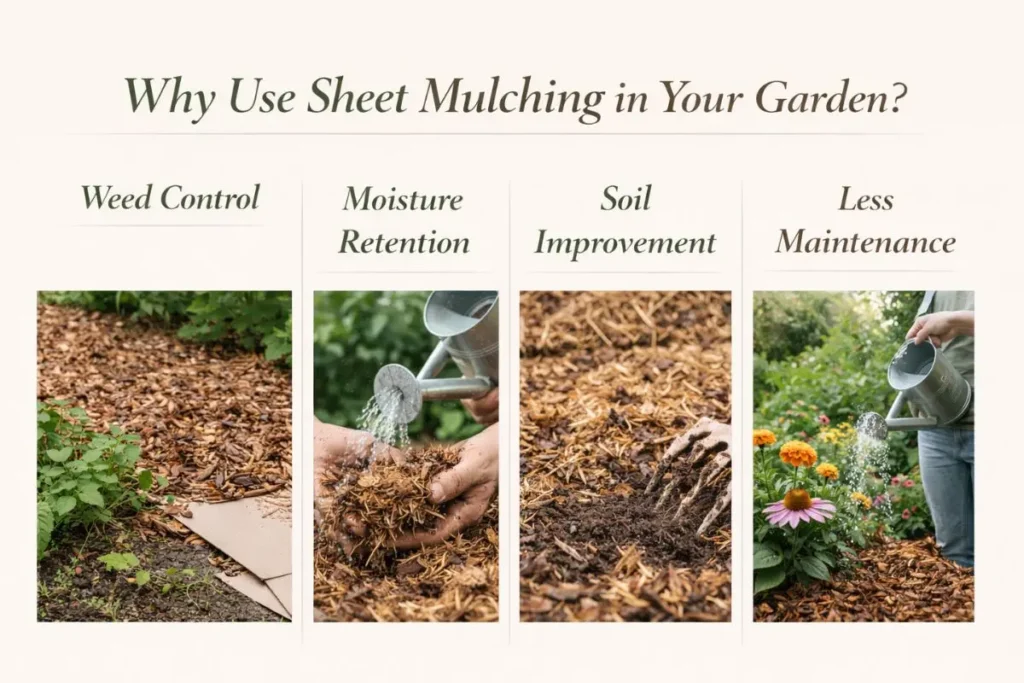
- Weed Control: One of the most significant benefits of sheet mulching is its ability to prevent weeds. By covering the soil, it blocks light from reaching weed seeds, stopping them from germinating.
- Moisture Retention: The layers of materials lock in moisture, ensuring that your garden stays hydrated, even during dry spells.
- Soil Improvement: The organic materials used in sheet mulching break down over time, adding valuable nutrients and improving soil structure.
- Less Maintenance: Once the sheet mulching is done, you’ll spend less time pulling weeds and watering your plants, allowing you to focus on other aspects of your garden.
Understanding the Climate & Growing Conditions
Before you dive into sheet mulching, it’s important to understand how this technique works in different climates and conditions. The beauty of sheet mulching is that it can adapt to a wide range of environments.
- Hot Climates (e.g., India, Pakistan): In regions with intense summer heat, like parts of India or Pakistan, sheet mulching can help your garden stay cool and retain moisture. The mulch will act as a shield, keeping the soil temperature stable and preventing evaporation, allowing your plants to thrive despite the heat.
- Cold Climates: Sheet mulching is also perfect for colder climates, as it helps insulate the soil. It can prevent freezing temperatures from damaging the roots of your plants and keep the soil from becoming compacted during the winter months.
Preparing Your Soil for Sheet Mulching
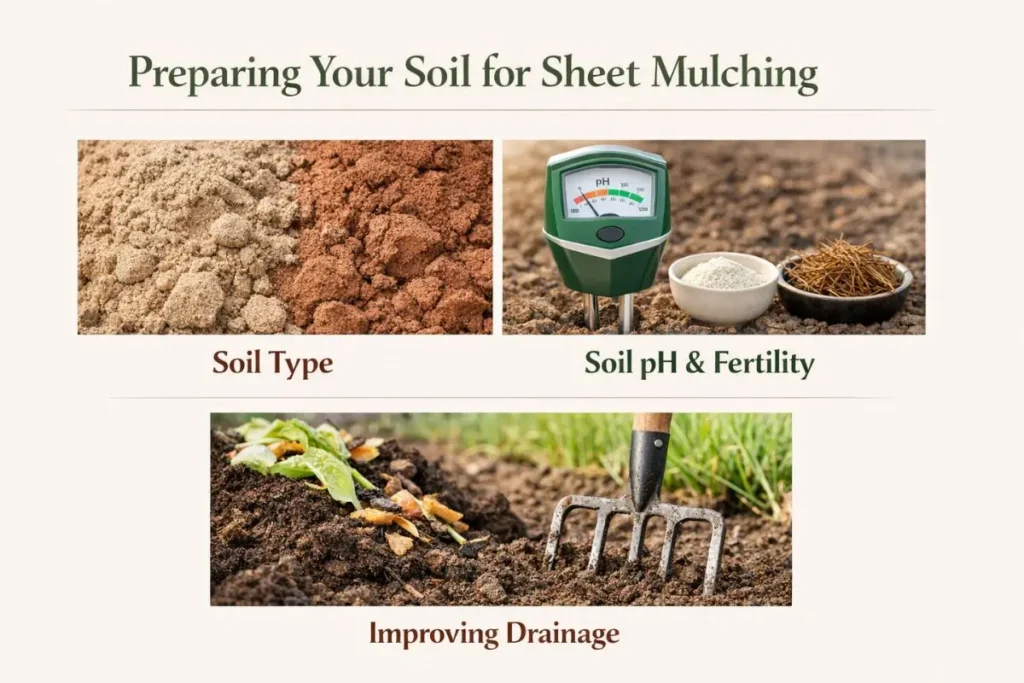
Even though sheet mulching doesn’t require digging, you still need to prepare your soil for optimal results. This process ensures the materials break down effectively and enhance the soil.
- Soil Type: Sheet mulching is ideal for improving sandy or clay soils. Sandy soil often lacks nutrients, while clay can be too compacted. By using sheet mulching, you can add organic matter that improves both soil types over time.
- Soil pH and Fertility: Before mulching, check your soil’s pH. Some materials, like pine needles, can acidify the soil, while others, like lime, can raise the pH. Choose your organic materials wisely to ensure the soil’s pH aligns with the plants you’re growing.
- Improving Drainage: If you have heavy, waterlogged soil, amend it with organic material like compost or well-rotted manure to improve drainage. This will prevent waterlogging and ensure your plants’ roots get enough oxygen.
How to Get Started with Sheet Mulching
Sheet mulching is one of the simplest gardening techniques to implement, and it doesn’t require expensive materials. Here’s a step-by-step guide to help you create a healthy, thriving garden bed:
- Choose Your Garden Bed: Whether it’s a small plot, raised bed, or even a container garden, select a location with enough sunlight for your plants. Sheet mulching works well for both vegetables and flowers.
- Weed and Clear the Area: While you don’t need to dig, it’s essential to remove any existing weeds or grass from the area. You can use a hoe or even just mow the weeds down. Cover the area with a layer of cardboard or newspaper to block light from reaching the weed seeds.
- Layer Your Materials: Start with a base layer of cardboard or several layers of newspaper. This prevents weeds from sprouting. Next, add organic materials like compost, grass clippings, or leaf mulch. These materials will break down and enrich the soil with nutrients over time.
- Top with Mulch: Finish with a thick layer of organic mulch, such as straw, wood chips, or shredded leaves. Mulch helps retain moisture, insulates the soil, and protects the surface from temperature extremes.
- Water the Layers: Once you’ve applied all your layers, water the garden bed thoroughly. This will help settle the materials and kick-start the decomposition process.
The Right Light and Watering Techniques for Success
For plants to thrive in sheet mulching, they still need the right light and water. Fortunately, sheet mulching makes it easier to meet your plants’ needs.
- Sunlight: Most plants need at least 6–8 hours of direct sunlight per day to grow well. When choosing your plants, make sure the location gets enough sunlight, and ensure the mulch doesn’t block light from reaching them.
- Watering: Once your sheet mulch is in place, the soil will retain moisture for longer periods, which means you won’t have to water as often. Water thoroughly when planting, but after that, the mulch will help reduce evaporation. Check the soil by sticking your finger into it—if it’s moist, you don’t need to water.
Fertilizing & Feeding Your Garden
While sheet mulching significantly improves the soil over time, adding nutrients to the soil will give your plants a boost during their growing season.
- Organic Fertilizers: For long-term soil health, use organic fertilizers like compost or aged manure. These slow-release fertilizers break down over time, feeding your plants without risking fertilizer burn.
- When to Fertilize: Apply organic fertilizer in the spring or early summer when plants are beginning to grow. Don’t over-fertilize—too much can lead to weak growth or even damage your plants.
- Synthetic Fertilizers: If you’re using chemical fertilizers, apply them in moderation and follow the instructions carefully. Always opt for a balanced fertilizer to provide all the nutrients your plants need.
Managing Your Mulch for Best Result
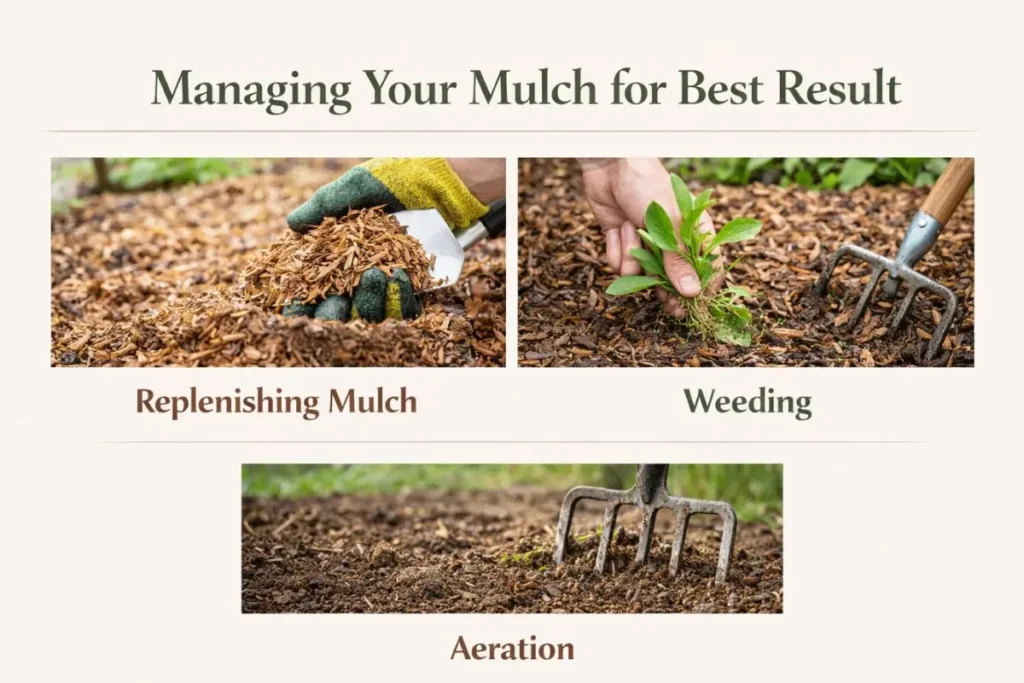
The mulch in your sheet-mulching setup plays a crucial role in your garden’s health. Proper mulch management will ensure that your garden continues to thrive.
- Replenishing Mulch: As the organic mulch breaks down, you’ll need to add more each year. Keep your mulch layer thick (about 4–6 inches) to maximize weed suppression and moisture retention.
- Weeding: While sheet mulching helps reduce weeds, you may still see some pop up, especially around the edges. Pull these weeds out by hand or use a hoe to keep your garden tidy.
- Aeration: After a year or two, you may notice that the soil starts to become a little compacted. Aerate the soil with a garden fork to let air reach the plant roots and improve water infiltration.
Seasonal Tips for Sheet Mulching
Throughout the year, different weather conditions can affect your sheet mulching setup. Here’s how to care for your garden in each season:
- Summer: Keep the mulch layer thick to protect the soil from drying out. Water plants early in the morning or late in the evening to avoid evaporation during the heat of the day.
- Winter: In colder climates, use an additional layer of mulch in late fall to protect plants from freezing temperatures. This will help insulate the roots and prevent frost damage.
- Spring: In spring, remove any dead plant material from under the mulch and refresh the mulch layer. If needed, add fresh compost to provide nutrients for the growing season.
Common Mistakes & Myths
- Myth: “You have to dig up the soil first.”
Not true! Sheet mulching is a no-dig method that improves soil health without the need for tilling. - Mistake: “Mulch is a one-time thing.”
Mulch decomposes over time, so you need to refresh it annually to keep getting the benefits.
Pests & Diseases in Sheet Mulching
Although sheet mulching reduces many problems, pests and diseases are still possible.
- Common Pests: Slugs and snails can be attracted to the moisture beneath the mulch. You can manage these pests using diatomaceous earth or a simple copper barrier.
- Fungal Diseases: If the mulch becomes too thick or wet, fungal diseases like mold may develop. Be sure to keep mulch layers aerated and remove any excess moisture buildup.
Harvesting and Long-Term Care
Once your garden starts producing, it’s essential to handle harvesting carefully to avoid damaging plants.
- Harvesting: Always pick your crops gently to avoid disturbing the roots. Use sharp shears or scissors to cut stems cleanly.
- Long-Term Care: Sheet mulching is an ongoing process that supports long-term soil health. As the organic matter decomposes, it continues to enrich the soil, so keep adding mulch and compost as needed.
FAQ:
- How often should I replenish the mulch layer?
Add a fresh layer of mulch once a year or as needed to maintain thickness. - Can I use any cardboard for sheet mulching?
Yes, but ensure it’s free from glossy coatings and inks. Use plain, non-laminated cardboard. - Will sheet mulching work for all plants?
Yes, but make sure your plants are suited for the conditions of your climate and soil.